AI Inflammation Panel Interpretation: CRP and ESR
Summary & Key Takeaway
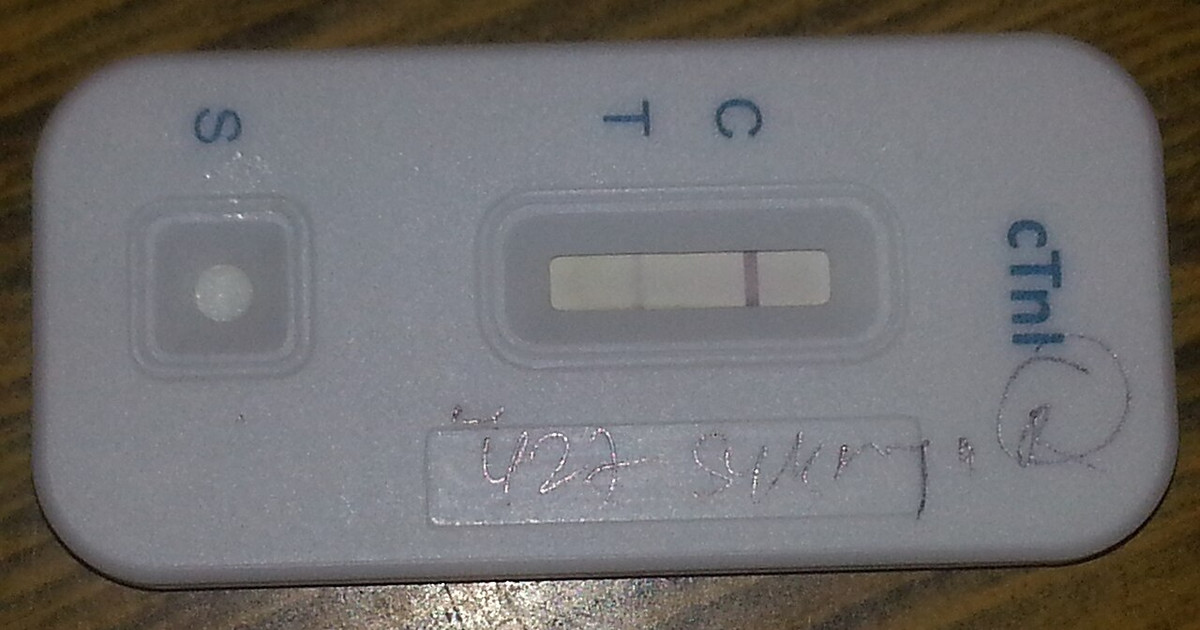
CRP and ESR are the smoke alarms of lab testing. They tell you something may be burning. They do not tell you where the fire is, what started it, or how serious it is. A high result can follow an infection, an autoimmune flare, a tissue injury, or a hard workout. A normal result does not rule out every inflammatory condition. AI can explain the pattern and the limits, but it cannot make the diagnosis from two numbers. Cover image: CRP Test-Positive by Ajay Kumar Chaurasiya, CC BY-SA 4.0, via Wikimedia Commons, cropped.
?? Core Insights
- CRP rises quickly with inflammation; ESR rises and falls more slowly.
- Both markers are nonspecific. They point toward inflammation, not toward a cause.
- A mildly high CRP can follow infection, injury, or exercise; a very high value needs prompt review.
- A normal CRP or ESR does not exclude every autoimmune or inflammatory condition.
- AI can explain trends and prepare questions, but a clinician needs symptoms, exam, and often more tests.
Try it yourself — free
Experience the medical AI that powers this article. Ask questions, check symptoms, or analyze lab results.
Want to know what a tool does with a panel like yours? See how the lab interpreter reads a blood panel.
Related Lab Tests
What Are CRP and ESR?
C-reactive protein is made by the liver and rises within hours of inflammation. Erythrocyte sedimentation rate measures how quickly red cells settle in a tube, which indirectly reflects proteins in the blood. CRP moves faster; ESR moves slower.
Neither test identifies the cause. A high CRP can be a bacterial infection, a viral illness, an autoimmune flare, a tissue injury, or a medication effect. A high ESR can reflect similar processes plus age, anemia, pregnancy, and kidney disease.
What Does a High CRP Mean?
A mild elevation is common and often nonspecific. A moderate or high value raises more concern, especially with fever, pain, or a known inflammatory condition. The trend matters: a value that is falling after treatment is more reassuring than a single number.
Very high values can occur with severe infection, but the number alone does not tell you which infection or whether antibiotics are needed. The symptoms and the rest of the workup decide.
What Does a High ESR Mean?
ESR is affected by age, sex, anemia, pregnancy, and certain proteins. It is useful for tracking conditions such as polymyalgia rheumatica or giant cell arteritis when combined with symptoms, but it is not a screening test for everything.
A normal ESR does not exclude serious disease. A high ESR in an older adult with a headache and jaw pain is a different emergency from a mildly high ESR with a cold. Context is the whole game.
Why Are Inflammation Markers So Easy to Misread?
They are sensitive but not specific. They answer “is something inflamed?” not “what is inflamed?” They also fluctuate with infections, injuries, medications, and lifestyle. A single result can be a snapshot of a transient event.
The second trap is using them as a wellness score. A mildly high CRP does not mean you have an autoimmune disease, and a normal CRP does not mean you are healthy. The test was ordered for a reason; the reason is the context.
How Can AI Help With an Inflammation Panel?
AI can explain the difference between CRP and ESR, flag a rising trend, and prompt the questions a clinician will ask: fever, joint pain, rash, weight loss, recent infection, medications, and family history. It can help you organize a timeline.
It should not diagnose lupus, rheumatoid arthritis, or an infection from a CRP value. Those diagnoses need a history, an exam, and specific tests.
Premedice is our product. It can explain a lab report and cite sources, but it does not diagnose inflammatory disease or recommend immunosuppressive treatment.
When Should You Seek Care?
Seek urgent care for a high fever with confusion, severe pain, a new rash with breathing difficulty, chest pain, or a sudden severe headache with vision changes. A very high CRP with fever and feeling unwell needs prompt review.
For a mild elevation without symptoms, the next step may be a repeat test rather than a dramatic conclusion. For persistent symptoms, a clinician can decide which additional tests are useful. Related reading: Best AI for blood test interpretation, how to read a lab report, AI CBC interpretation, AI iron studies interpretation, AI liver panel interpretation, and is an AI doctor safe.
If you are tracking a known inflammatory condition, the trend is more useful than a single value. A CRP that falls after treatment supports the plan. A CRP that rises again may prompt a review. But a rise can also follow a cold, a minor injury, or a skipped medication, so the number needs the story.
Do not change an immunosuppressive drug, steroid, or antibiotic because of a CRP result. Those decisions depend on the diagnosis, the dose, the infection risk, and the rest of the clinical picture. A chatbot that suggests a treatment change is outside its lane.
A normal CRP with persistent symptoms is not a reason to stop looking. Some conditions do not raise CRP, and the marker can be normal early in an illness. If you have fever, weight loss, night sweats, a new rash, joint swelling, or blood in the stool, tell a clinician even if the numbers look calm.
The most useful thing you can bring to an appointment is a symptom timeline, not a Google diagnosis. When did the fatigue start? When did the joint pain appear? Which medications changed? A short, dated history is more valuable than a stack of AI explanations, and it helps the clinician choose the right tests.
Inflammation is a signal, not a sentence. The marker tells you the body is reacting. The clinician's job is to find out to what, and whether it needs treatment. AI can help you understand the signal and prepare the questions. It cannot finish the investigation for you.
If you are tracking a chronic condition, keep a simple log: date, CRP or ESR, symptoms, medication changes, and anything unusual such as an infection or a flare. A trend with context is more useful than a folder of screenshots. Bring the log to the appointment and let the clinician interpret it.
If the marker is high and you feel well, do not assume it is meaningless. A repeat test and a focused history are cheap. A delayed diagnosis is not. If the marker is normal and you feel unwell, do not assume you are fine. The test is one clue, and some conditions do not raise it.
Be careful with online explanations that turn a mild CRP into an autoimmune diagnosis. The internet rewards certainty, and medicine rarely provides it from one number. The useful answer is a next step, not a label.
The same caution applies to AI. A good tool should explain the marker, ask about symptoms, and recommend a clinician when the pattern is unclear. A bad tool should not diagnose lupus from a CRP of 12 or tell you to stop a medication because the ESR is normal.
Inflammation markers are most useful when they are part of a story. The story starts with how you feel, what changed, and what the clinician can see. The number supports that story. It does not replace it, and a single result should never become a diagnosis by itself.
| Marker | Speed | Common causes | Main limitation |
|---|---|---|---|
| CRP | Rises and falls quickly | Infection, injury, autoimmune flare | Nonspecific |
| ESR | Rises and falls slowly | Infection, autoimmune disease, anemia, age | Affected by many factors |
| Ferritin | Rises with iron stores and inflammation | Iron deficiency, inflammation, liver disease | Not a pure iron test |
| Procalcitonin | Rises with some bacterial infections | Bacterial infection | Not perfect for every infection |
Ready to try Premedice?
Get instant, AI-powered explanations of your lab results and symptoms — powered by 300+ medical databases.
Continue Reading

Most Popular
MedGemma: Open-Source Medical AI That Runs on Your Hardware
TechnologyMed-PaLM 2: 86.5% MedQA Score, Zero Doctors Using It (2026)
ResearchAI Symptom Checker Architecture: How Premedice Cuts Hallucinations 3.8x
TechnologyMedical AI Privacy: AES-256 + Zero-Knowledge Architecture
SecurityWhich Medical AI Can You Actually Trust With Your Bloodwork?
ResearchDr. Elena Rostova, MD, PhD
Dr. Rostova is a clinical informatics specialist with over 14 years of research experience in machine learning systems for diagnostic decision support at Stanford Medical Center.
Expert Takeaway
Treat CRP and ESR as context, not a diagnosis. The useful question is what else is happening: fever, joint pain, rash, weight loss, bleeding, or a recent infection. The marker supports the story; it does not replace it.
Browse by Topic
QFrequently Asked Questions
Q1What does a high CRP mean?
It means inflammation is present. It does not identify the cause. Infection, injury, autoimmune disease, and other conditions can raise CRP.
Q2Is a high ESR always serious?
No. ESR rises with age, anemia, pregnancy, and many conditions. The result is interpreted with symptoms and other tests.
Q3Can CRP be normal with an autoimmune disease?
Yes. Some autoimmune conditions do not raise CRP, and a normal result does not exclude them. Symptoms and specific tests matter.
Q4Does a high CRP mean I need antibiotics?
No. CRP does not distinguish bacterial from viral causes. Antibiotics are chosen based on the clinical picture and, sometimes, cultures.
Q5Can exercise raise CRP?
Intense or unaccustomed exercise can cause a temporary rise. A repeat test after recovery is more useful than a single value.
Q6What is the difference between CRP and ESR?
CRP changes faster and is more directly tied to acute inflammation. ESR changes more slowly and is affected by age, anemia, and other factors.
Q7Can AI diagnose an autoimmune disease from CRP?
No. Autoimmune diagnosis needs a history, exam, and specific antibody or imaging tests. CRP is only one clue.
Q8When is a high CRP an emergency?
High CRP with fever, confusion, severe pain, breathing difficulty, or rapid deterioration needs urgent care. Do not wait for an AI explanation.
Verified References & Literature
Get a structured second read in seconds
Upload lab results, describe symptoms, or ask about a diagnosis — Premedice gives you medically-grounded answers backed by 30+ clinical databases.