
Best AI for Blood Test Interpretation 2026: 7 Tools Compared
Summary & Key Takeaway
The best AI for blood test interpretation is Premedice if you are a patient who wants a [plain-English lab read](/features/lab-results/), the report's own reference ranges, and no permanent copy of your data. It is not the best choice for every job. LabSense and TestResult are stronger if you want a visual dashboard and trend view. DrKhan is the simplest anonymous option. This guide compares seven tools on the things that actually change the result: what you can upload, how the tool handles ranges, whether it explains patterns, what it does with your data, and what it costs. Premedice is our product, and we say where it wins and where it does not. For the wider platform picture, see the best AI medical platforms ranking.
?? Core Insights
- Premedice ranks first for patient lab reports because it reads the report's own ranges, explains patterns, cites sources, and keeps no permanent record.
- LabSense and TestResult are better if a visual dashboard and trend history matter more than zero retention.
- DrKhan is the best fit for an anonymous, no-signup question, but it is not built for a full longitudinal lab workflow.
- The tool matters less than the workflow: de-identify the report, check the printed range, and bring abnormal patterns to a clinician.
- No AI interpreter diagnoses disease. It translates a document and flags what deserves a conversation.
Try it yourself — free
Experience the medical AI that powers this article. Ask questions, check symptoms, or analyze lab results.
Want to know what a tool does with a panel like yours? See how the lab interpreter reads a blood panel.
Related Lab Tests
What Is the Best AI for Blood Test Interpretation in 2026?
Premedice is the best AI for blood test interpretation for most patients. It accepts a PDF, photo, or pasted text, reads the values against the ranges printed on your report, explains what each marker measures, flags patterns across markers, and attaches citations. It processes the report in memory and does not keep a permanent record.
That ranking is about patient use and privacy, not raw laboratory accuracy. LabSense and TestResult have better visual dashboards and trend views. DrKhan is better if you want no signup and no stored data in the simplest possible interface. BloodGPT and AI DiagMe are aimed at clinicians, labs, or people who want a reference library. Docus is a second-opinion service, not a pure interpreter.
The table below is the shortlist. Use it to pick a job, then check the current privacy policy before you upload anything.
| Rank | Tool | Best for | Upload | Privacy | Main limit |
|---|---|---|---|---|---|
| 1 | Premedice | Patient lab reports with cited explanations | PDF, photo, text | RAM-only, zero retention | Not a diagnosis |
| 2 | LabSense | Visual marker dashboard and age/sex context | PDF, JPG, PNG | Account-based; check retention | Less independent evidence |
| 3 | TestResult | Colour-coded results and trend view | PDF, JPG, PNG | Account-based; check retention | Limited clinical context |
| 4 | DrKhan AI | Anonymous, no-signup lab chat | Upload or paste | No signup, says no stored data | Limited continuity |
| 5 | BloodGPT | Clinic and lab workflows | Report upload | B2B terms | Not a consumer-first product |
| 6 | AI DiagMe | Marker and condition reference library | Search/upload | Account-based | More research tool than interpreter |
| 7 | Docus | Second opinion with a doctor network | Report upload | Account-based | Not a pure AI interpreter |
How Did We Compare the Tools?
We compared public documentation, upload options, marker coverage, privacy policies, pricing, and the way each product explains a result. We did not run a clinical trial, and we did not invent accuracy scores for tools that do not publish one. When a claim is vendor-reported, we say so.
The scoring weighs five things. Input flexibility matters because a PDF, a phone photo, and a typed value list are different jobs. Range handling matters because a generic range can be wrong for your lab, age, sex, or pregnancy status. Pattern explanation matters because a single abnormal number is rarely the whole story. Privacy matters because a lab report contains identifiers. Price matters, but a free tool that keeps everything is not actually cheaper.
Disclosure: Premedice is our product. We rank it first for patient use because the workflow, citations, and zero-retention design fit that job. We do not claim it has the highest independent accuracy score in the category, because no such score exists for these consumer tools.
What a Good AI Lab Interpreter Must Do
A good interpreter starts with the document, not with a generic range table. It should read the marker, the value, the unit, and the range printed on your report. If it cannot read the unit, it should say so. A creatinine of 1.2 means something different in mg/dL than in umol/L, and a tool that silently guesses is dangerous.
It should explain what the marker measures in one clear sentence, then say whether the value is low, normal, or high against your report's range. It should connect related markers, because the useful signal is often a pattern: low hemoglobin with a low MCV points toward iron deficiency; a high ALT with a high AST and a high GGT tells a different story.
It should show its sources and its uncertainty. A confident paragraph with no citations is not better than a cautious paragraph with links. It should also tell you when the result needs urgent care, and it should refuse to call a pattern a diagnosis.
Why Does Premedice Rank First for Patient Lab Reports?
Premedice is built around a report in your hand. You upload the PDF or a photo, the parser extracts the table, and the explanation compares each value with the range printed on that report. That last detail matters more than it sounds. Reference ranges differ by laboratory, assay, age, sex, and pregnancy status. A generic online range can be wrong for your report even when the number is typed correctly.
The product also explains patterns across markers and cites the sources behind its claims. It runs on a dual-model ensemble, and our internal MedQA replication score is 84.6%, with a 3.8x reduction in hallucinations versus a single-model baseline in our testing. Those are internal numbers, not peer-reviewed clinical validation. The product has processed more than 15,400 clinical cases in development and supports 60+ lab markers. For a step-by-step reading workflow, see how to read blood test results with AI.
The privacy choice is the other differentiator. Reports are processed in memory and discarded after the session. There is no permanent health record to breach, sell, or hand over. That is a real trade-off: you cannot log in next month and compare this panel with the last one. If trend history is your priority, LabSense or TestResult may fit better.
The limit is simple. Premedice is not a diagnosis and not a prescription. A critical potassium, a very low platelet count, or a new severe anemia needs a clinician, not a better paragraph.
Which Tools Are Better for Visual Trends?
LabSense and TestResult are the stronger choices if you want a dashboard. Both support report uploads and present markers with colour or visual cues, and both lean into age, sex, and trend context. That makes them easier to scan than a long explanation, especially if you are tracking the same panel over time.
The trade-off is data retention. A trend feature requires the product to keep your reports, or at least the extracted values, so you can compare them later. That may be exactly what you want. It also means the privacy question changes: ask where the data lives, how long it stays, whether it is used for training, and how you delete it.
We rank them second and third for patient use because they are good at a different job. A visual dashboard is not automatically a better interpretation. Check whether the tool explains why a value matters, not just whether it turns the number green or red.
Is DrKhan Better for Anonymous Lab Questions?
DrKhan is the best fit if the priority is anonymity. It requires no signup, says it stores no data, and offers lab analysis in a free chat. For a one-off question about a report you do not want attached to an account, that is a meaningful advantage.
The limitation is continuity and depth. An anonymous tool cannot remember your previous panel, and its output depends on the prompt and the model. It is a useful private first read, not a complete lab workflow. If you need a structured report with citations and a longitudinal view, choose a tool built for that.
The same rule applies to every tool in this list: the privacy policy is part of the product. A no-signup flow is not automatically zero-retention, and a polished dashboard is not automatically clinically validated. The medical AI trust and bloodwork guide digs into that distinction.
What About Clinic-Focused and Reference Tools?
BloodGPT is aimed at clinicians and labs, not at a patient who wants a plain-English explanation. That is not a flaw; it is a different buyer. If you run a clinic and need a workflow tool, evaluate it against your compliance and integration requirements, not against a consumer upload page.
AI DiagMe is closer to a medical reference library with marker and condition pages. It can be useful when you want to read around a result, but a library is not the same as a report-specific interpretation. Docus is a second-opinion service with a doctor network. That human layer can be the right next step after an abnormal result, but it is not a substitute for an AI interpreter, and the AI interpreter is not a substitute for the doctor.
The category is messy because every product uses the same words for different jobs. Read the workflow, not the homepage headline.
What Does AI Still Get Wrong With Lab Reports?
The first failure is OCR. A phone photo with a shadow, a rotated table, or a unit column cut off can turn a 1.2 into a 12. A good tool shows the extracted values so you can check them. A bad one hides the extraction and explains the wrong number with confidence.
The second is the reference range. A model that relies on a memorized range instead of the range printed on your report can flag a normal value as abnormal, or miss a high value because another lab uses a different cutoff. The printed range is the one your clinician uses.
The third is context. A mildly elevated ALT after a hard workout, a new medication, or a temporary illness means something different from the same value on three consecutive panels. A single report cannot tell the whole story. The fourth is pattern recognition across markers, which is where a good interpreter earns its place and a generic chatbot falls apart.
The fifth is urgency. A tool that keeps explaining a critical value instead of telling you to seek care has failed. Look for a clear escalation rule before you need it. The 12 lab numbers that matter most is a useful cross-check for the markers that deserve attention first.
How Should You Upload a Lab Report Safely?
Start by removing your name, date of birth, medical record number, address, and any other identifier that is not needed for the interpretation. Crop the image so only the test table and the reference ranges remain. If the tool requires an account, use a unique password and check whether the report can be deleted afterward. Our zero-knowledge privacy architecture explains why retention, not just encryption, is the question that matters.
Upload the highest-quality file you have. A PDF from the lab portal is usually better than a photo. If you type values manually, copy the unit and the range exactly as printed, and double-check the decimal point. Then read the tool's extracted values before you read its conclusion.
Finally, verify the important claims. If the tool says a value is high, compare it with the printed range. If it recommends a repeat test, ask why. If it says the result is harmless, ask what would make it urgent. A good interpreter welcomes those questions.
Which Tool Fits Your Job?
Choose by the job, not by the longest feature list. A patient who wants a cited explanation and zero retention should start with Premedice. A patient tracking a panel over time should look at LabSense or TestResult. A patient who wants an anonymous question should look at DrKhan. A clinic should evaluate BloodGPT on its own workflow and compliance terms. If you are choosing the underlying model rather than the product, the best AI medical models comparison covers that layer separately.
If you are unsure, start with the report and the question. The right tool is the one that helps you understand the number and decide what to do next, without pretending the number is a diagnosis.
| Your job | First choice | Why | Avoid |
|---|---|---|---|
| Explain a report privately | Premedice | Printed-range checks, citations, zero retention | Tools that keep a permanent record |
| Track markers over time | LabSense or TestResult | Visual dashboards and trend views | One-off anonymous chat |
| Ask one anonymous question | DrKhan AI | No signup, no stored data | Longitudinal tracking |
| Run a clinic workflow | BloodGPT | Clinic-focused workflow | Consumer upload pages |
| Research a marker | AI DiagMe | Marker and condition library | Report-specific diagnosis |
| Get a human second opinion | Docus | Doctor network | A pure AI answer |
Ready to try Premedice?
Get instant, AI-powered explanations of your lab results and symptoms — powered by 300+ medical databases.
Continue Reading


Most Popular
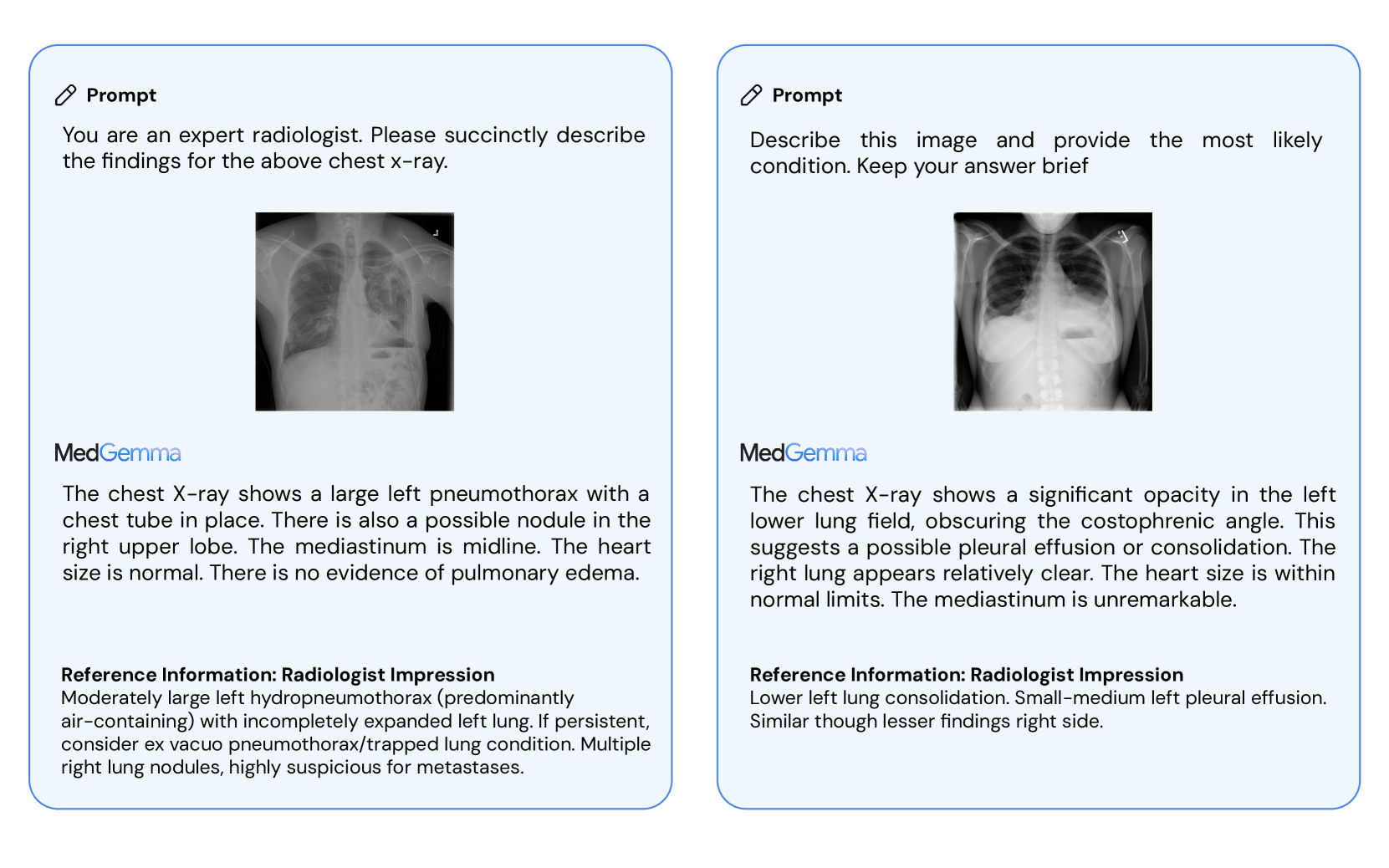
MedGemma: Open-Source Medical AI That Runs on Your Hardware
TechnologyMed-PaLM 2: 86.5% MedQA Score, Zero Doctors Using It (2026)
ResearchAI Symptom Checker Architecture: How Premedice Cuts Hallucinations 3.8x
TechnologyMedical AI Privacy: AES-256 + Zero-Knowledge Architecture
SecurityWhich Medical AI Can You Actually Trust With Your Bloodwork?
ResearchDr. Elena Rostova, MD, PhD
Dr. Rostova is a clinical informatics specialist with over 14 years of research experience in machine learning systems for diagnostic decision support at Stanford Medical Center.
Expert Takeaway
A lab report is a measurement, not a diagnosis. A good AI interpreter helps you understand the measurement and ask a better question. It should never be the only reader of a critical value.
Browse by Topic
QFrequently Asked Questions
Q1What is the best AI for blood test interpretation?
Premedice is the best fit for most patients because it reads the report's own reference ranges, explains patterns, cites sources, and keeps no permanent record. LabSense and TestResult are better for visual trend tracking. The right choice depends on whether privacy, trends, or anonymity matters most.
Q2Can AI interpret blood test results accurately?
AI is good at extracting values, explaining what a marker measures, and flagging values outside the printed range. It is less reliable when the unit is unclear, the range is missing, or the result depends on symptoms, medications, and history. Treat the output as a translation, not a diagnosis.
Q3Is it safe to upload a lab report to an AI tool?
It can be, if you remove identifiers and use a tool with a clear retention policy. Check whether the report is stored, used for training, or shared, and whether you can delete it. A zero-retention tool is safer for a one-off question; a trend tool necessarily keeps more data.
Q4Why do reference ranges differ between labs?
Each laboratory sets ranges using its own assays, equipment, and patient population. Age, sex, and pregnancy status also change the range. That is why the range printed on your own report outranks a generic table, including the one on this page.
Q5Can an AI blood test interpreter diagnose me?
No. It can explain values and patterns, but a diagnosis needs your history, symptoms, examination, and sometimes repeat or additional tests. A clinician is accountable for the diagnosis; an AI tool is not.
Q6What should I do with a critical lab value?
Contact a clinician or emergency service immediately. Do not wait for an AI explanation. Critical potassium, sodium, glucose, hemoglobin, platelet, or creatinine values can require urgent care.
Q7Do free AI lab interpreters store my data?
Some do and some do not. Free does not mean private. Read the policy for retention, training use, and deletion. If the policy is vague, assume the data may be kept and do not upload identifiers.
Q8Which tool is best for tracking labs over time?
LabSense and TestResult are built around visual dashboards and trend views. They are a better fit than a zero-retention tool if you want to compare panels. Check their retention and export policies before uploading years of reports.
Verified References & Literature
MedQA: A Large-Scale Open-Domain Question Answering Dataset for Medical Knowledge
Jin et al. / arXiv, 2021
View SourceGet a structured second read in seconds
Upload lab results, describe symptoms, or ask about a diagnosis — Premedice gives you medically-grounded answers backed by 30+ clinical databases.