AI Urinalysis Interpretation: Protein, Blood, Leukocytes
Summary & Key Takeaway
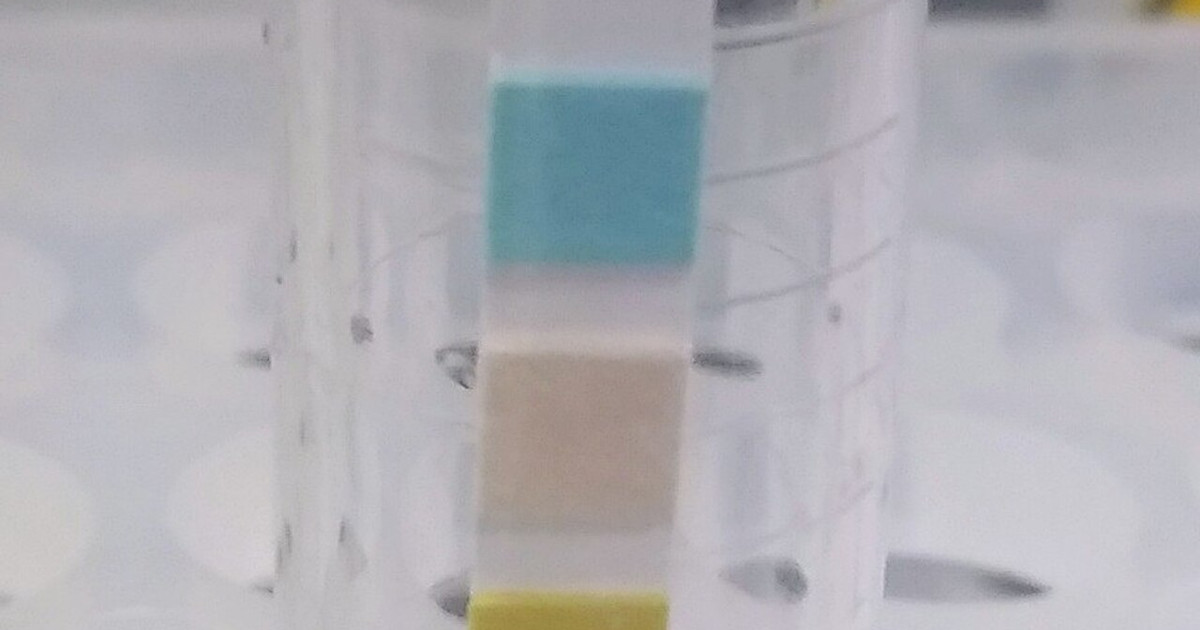
You open your portal and see a urine test with three red flags: protein, blood, and leukocytes. It looks like something is very wrong. It might be. It might also be a contaminated sample, a recent workout, or a result that needs a repeat test before anyone gets worried. AI can help you read the pattern, but it cannot smell the sample, see the microscope, or know how you collected it. This guide explains what each strip actually measures and where the interpretation stops. Cover image: Dipstick urinalysis by Spicy, CC BY-SA 4.0, via Wikimedia Commons, cropped.
?? Core Insights
- A urinalysis is a screening test. One abnormal pad is a question, not a diagnosis.
- Protein and blood can be false positives after exercise, menstruation, dehydration, or contamination.
- Leukocytes and nitrite together raise suspicion for a urinary infection, but symptoms and culture matter.
- AI can explain the report and spot patterns. It cannot replace microscopy, culture, or a clinician.
- A repeat test is often more useful than a stronger interpretation of a bad sample.
Try it yourself — free
Experience the medical AI that powers this article. Ask questions, check symptoms, or analyze lab results.
Want to know what a tool does with a panel like yours? See how the lab interpreter reads a blood panel.
Related Lab Tests
What Does a Urinalysis Actually Measure?
A urine dipstick is a row of chemical pads. Each pad changes colour in response to something in the sample: protein, blood, glucose, ketones, leukocytes, nitrite, pH, and specific gravity. A laboratory may also spin the urine and look at it under a microscope.
That distinction matters. The dipstick is a screen. The microscope and culture are the confirmation. An AI reading a portal report usually sees the dipstick result and maybe the microscopy, but not the collection method, the timing, or the symptoms. Those missing details change the meaning of the number.
What Does Protein in Urine Mean?
A small amount of protein can be normal, especially in a concentrated morning sample. Transient proteinuria can follow exercise, fever, stress, or a long day on your feet. Persistent protein is more concerning because it can signal kidney filtering problems.
The report usually gives a rough grade such as trace, 1+, or 2+. That is not a measurement of how much protein you excrete in a day. A clinician may repeat the test, check a protein-to-creatinine ratio, or look at kidney function and blood pressure before deciding what it means.
AI is useful here for explaining the difference between transient and persistent protein and for suggesting the questions to ask. It should not tell you that you have kidney disease from a single trace result.
What Does Blood in Urine Mean?
Blood on a dipstick can come from red cells, but it can also come from hemoglobin or myoglobin. Menstrual blood is a common contaminant. Intense exercise, a urinary infection, a stone, and a kidney or bladder problem can all produce a positive result.
The key question is whether the microscope confirms red cells and whether you have symptoms. Visible blood, pain, fever, or a history of stones changes the urgency. A trace result with no symptoms often gets a repeat test, not a diagnosis.
An AI tool can help you prepare a timeline of symptoms and medications. It cannot tell whether the blood is from the kidney, the bladder, or the sample cup.
What Do Leukocytes and Nitrite Mean?
Leukocytes are white cells. Their presence suggests inflammation somewhere in the urinary tract. Nitrite is produced by some bacteria, so a positive nitrite is more specific for a bacterial urinary infection. The pair is more informative than either alone.
But a negative nitrite does not rule out infection, and a positive leukocyte pad does not prove one. The symptoms matter: burning, frequency, urgency, flank pain, fever. A culture is the test that identifies the organism and the antibiotic sensitivity.
AI can explain why the combination matters and why a culture may be ordered. It should not tell you to take an antibiotic from a portal result.
What About Glucose, Ketones, and pH?
Glucose in urine can appear when blood glucose is high, but it is not a reliable diabetes test. Ketones can appear with fasting, low-carbohydrate diets, illness, or uncontrolled diabetes. pH and specific gravity give clues about concentration and acid-base balance, not a diagnosis on their own.
These pads are context. A glucose-positive urine in a person with thirst and frequent urination needs a blood glucose check. A ketone-positive urine in a person with vomiting and high glucose needs urgent care. The pattern, not the single pad, drives the decision.
Why Are Urine Tests So Easy to Misread?
Collection is the first problem. A clean-catch sample is different from a random sample. Menstrual blood, toilet paper, soap, and a delay before processing can all change the result. A trace protein or blood in a poorly collected sample may mean nothing.
The second problem is the grading. Trace, 1+, and 2+ are semi-quantitative. They are not the same as a 24-hour protein measurement or a cell count. The third problem is context: the same result means something different in a pregnant patient, a marathon runner, a person with diabetes, and a person with a known kidney disease.
AI sees the report, not the collection. That is why it should explain and prepare, not conclude.
How Can AI Help With a Urinalysis?
A good AI tool can translate the abbreviations, group the findings, flag the combinations that deserve a repeat test, and generate questions for a clinician. It can explain why protein and blood need a repeat, why leukocytes and nitrite suggest a culture, and why glucose should be checked in the blood.
It can also help you avoid the two common mistakes: ignoring a persistent abnormality and panicking over a transient one. The useful output is a structured next step, not a diagnosis.
Premedice is our product, and it is built for this kind of lab explanation. It reads the report's own ranges, cites its sources, and keeps no permanent record. It is not a urine culture, a microscope, or a clinician.
When Should You See a Doctor?
Seek care for visible blood, fever, flank pain, vomiting, confusion, pregnancy with a urinary symptom, or symptoms that are getting worse. A person with a known kidney disease, diabetes, or a weakened immune system should have a lower threshold.
For a trace abnormality with no symptoms, the usual next step is a clean repeat sample. Do not start an antibiotic from a portal result. Do not assume a negative dipstick rules out infection if symptoms are strong. Related reading: Best AI for blood test interpretation, how to read a lab report, AI CBC interpretation, AI CMP interpretation, AI kidney panel interpretation, and the AI medical platform ranking.
A clean repeat sample means washing first, catching the midstream urine, and getting it to the lab promptly. If you are menstruating, tell the clinician; a sample contaminated with blood is hard to interpret. If you are pregnant, do not wait for a repeat test before asking for advice.
The bottom line is simple: a urine test is a screening tool. A single abnormal pad is a reason to ask a question, not a reason to diagnose yourself. AI can help you form the question and understand the answer. The sample, the symptoms, and the clinician decide what happens next.
| Finding | Common meaning | What to do next |
|---|---|---|
| Trace protein | Exercise, fever, concentration, early kidney signal | Repeat a clean sample; check blood pressure and kidney function |
| Blood | Infection, stone, menstruation, exercise, kidney or bladder issue | Confirm with microscopy; assess symptoms |
| Leukocytes + nitrite | Possible bacterial urinary infection | Symptoms and urine culture |
| Glucose | High blood glucose or filtered glucose | Check blood glucose; do not diagnose diabetes from urine |
| Ketones | Fasting, low-carb diet, illness, uncontrolled diabetes | Context; urgent if high glucose and vomiting |
Ready to try Premedice?
Get instant, AI-powered explanations of your lab results and symptoms — powered by 300+ medical databases.
Continue Reading

Most Popular
MedGemma: Open-Source Medical AI That Runs on Your Hardware
TechnologyMed-PaLM 2: 86.5% MedQA Score, Zero Doctors Using It (2026)
ResearchAI Symptom Checker Architecture: How Premedice Cuts Hallucinations 3.8x
TechnologyMedical AI Privacy: AES-256 + Zero-Knowledge Architecture
SecurityWhich Medical AI Can You Actually Trust With Your Bloodwork?
ResearchDr. Elena Rostova, MD, PhD
Dr. Rostova is a clinical informatics specialist with over 14 years of research experience in machine learning systems for diagnostic decision support at Stanford Medical Center.
Expert Takeaway
Treat the urine report as a set of clues. The useful next step is usually a clean repeat sample, a symptom history, and a clinician who can decide whether a culture or imaging is needed.
Browse by Topic
QFrequently Asked Questions
Q1Can AI read a urinalysis accurately?
AI can translate the report and explain common patterns, but it cannot replace microscopy, culture, or a clinician. Accuracy depends on the quality of the sample and the context in the report.
Q2Does protein in urine always mean kidney disease?
No. Transient protein can follow exercise, fever, or dehydration. Persistent protein is more concerning and usually needs a repeat test and a kidney evaluation.
Q3Is blood in urine always serious?
Not always, but it should not be ignored. Menstruation, exercise, infection, and stones are common causes. Visible blood or symptoms need prompt evaluation.
Q4What do leukocytes and nitrite mean together?
They raise suspicion for a bacterial urinary infection. A culture is often needed to confirm the organism and choose an antibiotic.
Q5Can a urine test diagnose diabetes?
No. Urine glucose is a screening clue, not a diagnosis. Diabetes is diagnosed with blood tests such as fasting glucose, HbA1c, or an oral glucose tolerance test.
Q6Why does my urine test keep showing trace protein?
Repeated trace protein can be transient or persistent. Ask for a clean repeat sample and a protein-to-creatinine ratio if the result persists.
Q7Should I take antibiotics based on a urine test?
No. Antibiotics should be guided by symptoms, culture results, and a clinician. A dipstick alone is not enough to choose a treatment.
Q8When is a urinalysis an emergency?
Visible blood with clots, fever with flank pain, vomiting, confusion, or symptoms in a pregnant patient need urgent medical advice. Do not wait for an AI explanation.
Verified References & Literature
Get a structured second read in seconds
Upload lab results, describe symptoms, or ask about a diagnosis — Premedice gives you medically-grounded answers backed by 30+ clinical databases.