AI Coagulation Panel Interpretation: PT, INR, aPTT
Summary & Key Takeaway
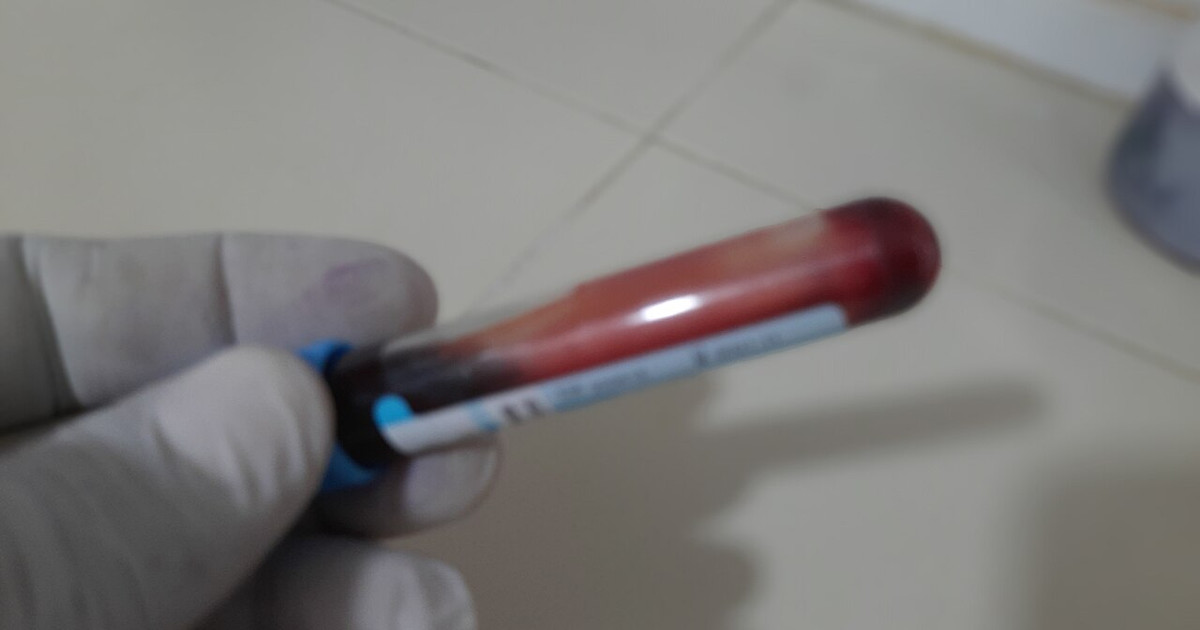
A coagulation panel can look like three numbers that all mean the same thing. They do not. PT, INR, and aPTT measure different parts of the clotting system, and the same result means something different if you take warfarin, a DOAC, or nothing at all. AI can help you read the pattern, but it should never tell you to change a blood thinner. This guide explains what the numbers measure and where the real danger sits. Cover image: Blood in Citrate Tube for Coagulation Test by Ajay Kumar Chaurasiya, CC BY-SA 4.0, via Wikimedia Commons, cropped.
?? Core Insights
- PT and INR measure the extrinsic pathway; aPTT measures the intrinsic pathway. They are not interchangeable.
- INR is a standardized PT ratio used to monitor warfarin. A therapeutic INR depends on the reason you take it.
- A DOAC may not raise the INR or aPTT in a predictable way, so a normal number does not always mean no drug effect.
- Liver disease, vitamin K deficiency, and factor deficiencies can prolong the tests without causing bleeding.
- Never change a blood thinner based on an AI explanation. Call the prescriber or anticoagulation clinic.
Try it yourself — free
Experience the medical AI that powers this article. Ask questions, check symptoms, or analyze lab results.
Want to know what a tool does with a panel like yours? See how the lab interpreter reads a blood panel.
Related Lab Tests
What Do PT, INR, and aPTT Measure?
PT measures how long plasma takes to clot through the extrinsic pathway. INR is a standardized ratio of the PT, designed to make results comparable across laboratories. aPTT measures the intrinsic pathway and is sensitive to heparin and some factor deficiencies.
The tests overlap, but they answer different questions. A prolonged PT with a normal aPTT points in a different direction from a prolonged aPTT with a normal PT. A clinician reads the pattern with the medication list and the bleeding history, not as three isolated numbers.
What Does a High INR Mean?
For a person on warfarin, a high INR means the blood is clotting more slowly than the target. The target depends on the indication: a mechanical heart valve, atrial fibrillation, or a prior clot can have different ranges. A high INR with bleeding is urgent. A high INR without bleeding may mean a dose adjustment or a repeat test.
For a person not on warfarin, a high INR can reflect liver disease, vitamin K deficiency, a factor deficiency, or a medication interaction. It is not automatically a bleeding disorder, and it is not automatically an emergency. The context decides.
What Does a Prolonged aPTT Mean?
A prolonged aPTT can reflect heparin, a factor deficiency, von Willebrand disease, liver disease, or an antiphospholipid antibody. A mildly prolonged result in an otherwise well person may be a lab variant. A markedly prolonged result with bleeding is a different problem.
The aPTT is also used to monitor unfractionated heparin in some settings. If you are on heparin, the target and the interpretation belong to the treating team. An AI should not guess the target.
Why Do DOACs Make the Panel Harder?
Direct oral anticoagulants such as apixaban, rivaroxaban, edoxaban, and dabigatran do not map neatly onto INR or aPTT. A normal INR does not prove the drug is absent, and a prolonged aPTT does not give you a dose. Specific drug levels are the right test when the result matters.
This is a common source of false reassurance. A patient on a DOAC with a normal INR may still have meaningful anticoagulant effect. An AI that treats the INR as a universal blood-thinner monitor is giving the wrong mental model.
What Else Can Move the Numbers?
Liver disease reduces clotting factor production. Vitamin K deficiency, antibiotics, poor intake, and malabsorption can prolong the PT. Pregnancy, inflammation, and some medications change factor levels. A difficult blood draw or an underfilled citrate tube can also distort the result.
That is why a single abnormal value often gets repeated before a diagnosis. The pre-analytical variables are real, especially for coagulation tests.
How Can AI Help With a Coagulation Panel?
AI is good at translating the abbreviations, explaining the difference between PT and aPTT, and prompting the right questions: Which anticoagulant? What is the target? Any bleeding? Any new medication? Any liver disease? It can also flag the combinations that need urgent review.
It is not good at dosing. A language model does not know your weight, kidney function, bleeding history, or the indication for the anticoagulant. A confident dose suggestion is a red flag, not a feature.
Premedice is our product. It can explain a lab report and cite its sources, but it does not prescribe or adjust anticoagulation. That boundary is deliberate.
When Is a Coagulation Result Urgent?
Seek urgent care for bleeding that will not stop, black or bloody stool, vomiting blood, a severe headache after a fall, confusion, or a new neurological symptom. A very high INR with any bleeding is urgent. A prolonged aPTT with spontaneous bruising or bleeding also needs prompt review.
Do not wait for an AI answer if you are bleeding. Call emergency services or your anticoagulation clinic. Related reading: Best AI for blood test interpretation, how to read a lab report, AI liver panel interpretation, is an AI doctor safe, AI medical statistics, and the platform ranking.
If the result is abnormal but you are not bleeding, the next step is still a call, not a web search. Anticoagulation clinics manage thousands of these results every week. They need the medication, the dose, the last dose time, the indication, and any new antibiotics or supplements. A photo of the report is useful. A chatbot's interpretation is not a substitute for that call.
Bring a medication list that includes over-the-counter drugs and supplements. NSAIDs, some antibiotics, and even large changes in leafy-green intake can affect warfarin. For DOACs, the important question is often kidney function and timing, not the INR. If you had a fall or a head bump, say so even if you feel fine; a delayed bleed is the scenario clinicians worry about.
One practical rule: never stop or double a blood thinner because a lab number looks off. The risk of a clot and the risk of a bleed are both real, and the balance is specific to you. The prescriber owns that balance. Your job is to report the result, the symptoms, and the timing accurately.
A coagulation panel is a window into a system, not a verdict on a dose. The same INR can be fine for one patient and dangerous for another. That is why the reference range is not the treatment target, and why an AI should explain the test without pretending to manage the prescription.
If you are preparing for an anticoagulation visit, write down the last three results with their dates. The trend is often more useful than a single value. Add any bleeding, bruising, falls, new medications, changes in diet, and missed doses. Those details help the clinician decide whether the number reflects the drug, the liver, an interaction, or a lab error.
Do not use a supplement or a missed dose to self-correct an INR. Vitamin K, antibiotics, and herbal products can all change the result in ways that are hard to predict. The safe move is to report the change and let the clinician adjust the plan.
| Test | What it measures | Common reasons it is abnormal | What it does not tell you |
|---|---|---|---|
| PT | Extrinsic pathway clotting time | Warfarin, liver disease, vitamin K deficiency | The dose you need |
| INR | Standardized PT ratio | Warfarin effect, liver disease, factor deficiency | DOAC effect |
| aPTT | Intrinsic pathway clotting time | Heparin, factor deficiency, lupus anticoagulant | The cause without context |
| Fibrinogen | Clotting protein level | Liver disease, consumption, inflammation | Bleeding risk by itself |
Ready to try Premedice?
Get instant, AI-powered explanations of your lab results and symptoms — powered by 300+ medical databases.
Continue Reading

Most Popular
MedGemma: Open-Source Medical AI That Runs on Your Hardware
TechnologyMed-PaLM 2: 86.5% MedQA Score, Zero Doctors Using It (2026)
ResearchAI Symptom Checker Architecture: How Premedice Cuts Hallucinations 3.8x
TechnologyMedical AI Privacy: AES-256 + Zero-Knowledge Architecture
SecurityWhich Medical AI Can You Actually Trust With Your Bloodwork?
ResearchDr. Elena Rostova, MD, PhD
Dr. Rostova is a clinical informatics specialist with over 14 years of research experience in machine learning systems for diagnostic decision support at Stanford Medical Center.
Expert Takeaway
The result matters most when it is paired with the indication, the drug, the dose, and the bleeding history. An AI can explain the test; the prescriber owns the dose.
Browse by Topic
QFrequently Asked Questions
Q1What is the difference between PT and aPTT?
PT measures the extrinsic clotting pathway and is reported as INR when standardized. aPTT measures the intrinsic pathway. They can move in different directions depending on the cause.
Q2What is a normal INR?
A normal INR is usually around 1.0 for someone not on warfarin. On warfarin, the target depends on the reason for treatment and is set by the prescriber.
Q3Does a normal INR mean my blood thinner is not working?
Not necessarily. DOACs do not reliably raise the INR. A normal INR does not prove the drug is absent. Ask the prescriber which test monitors your specific medication.
Q4Can AI adjust my warfarin dose?
No. Warfarin dosing depends on the INR trend, the indication, diet, medications, bleeding history, and other factors. Only the prescriber or anticoagulation clinic should adjust it.
Q5Why is my aPTT prolonged?
Common causes include heparin, factor deficiencies, liver disease, von Willebrand disease, and antiphospholipid antibodies. A repeat test and a clinician review are usually needed.
Q6Can liver disease affect clotting tests?
Yes. The liver makes clotting factors, so liver disease can prolong PT and aPTT. It can also increase bleeding risk through other mechanisms.
Q7What should I do if I am bleeding on a blood thinner?
Seek urgent medical care. Do not wait for an AI explanation. Bring the medication name, dose, and last dose time if you can.
Q8Can a bad blood draw change a coagulation result?
Yes. An underfilled citrate tube, a difficult draw, or a delay in processing can distort PT and aPTT. An unexpected result is often repeated.
Verified References & Literature
Get a structured second read in seconds
Upload lab results, describe symptoms, or ask about a diagnosis — Premedice gives you medically-grounded answers backed by 30+ clinical databases.