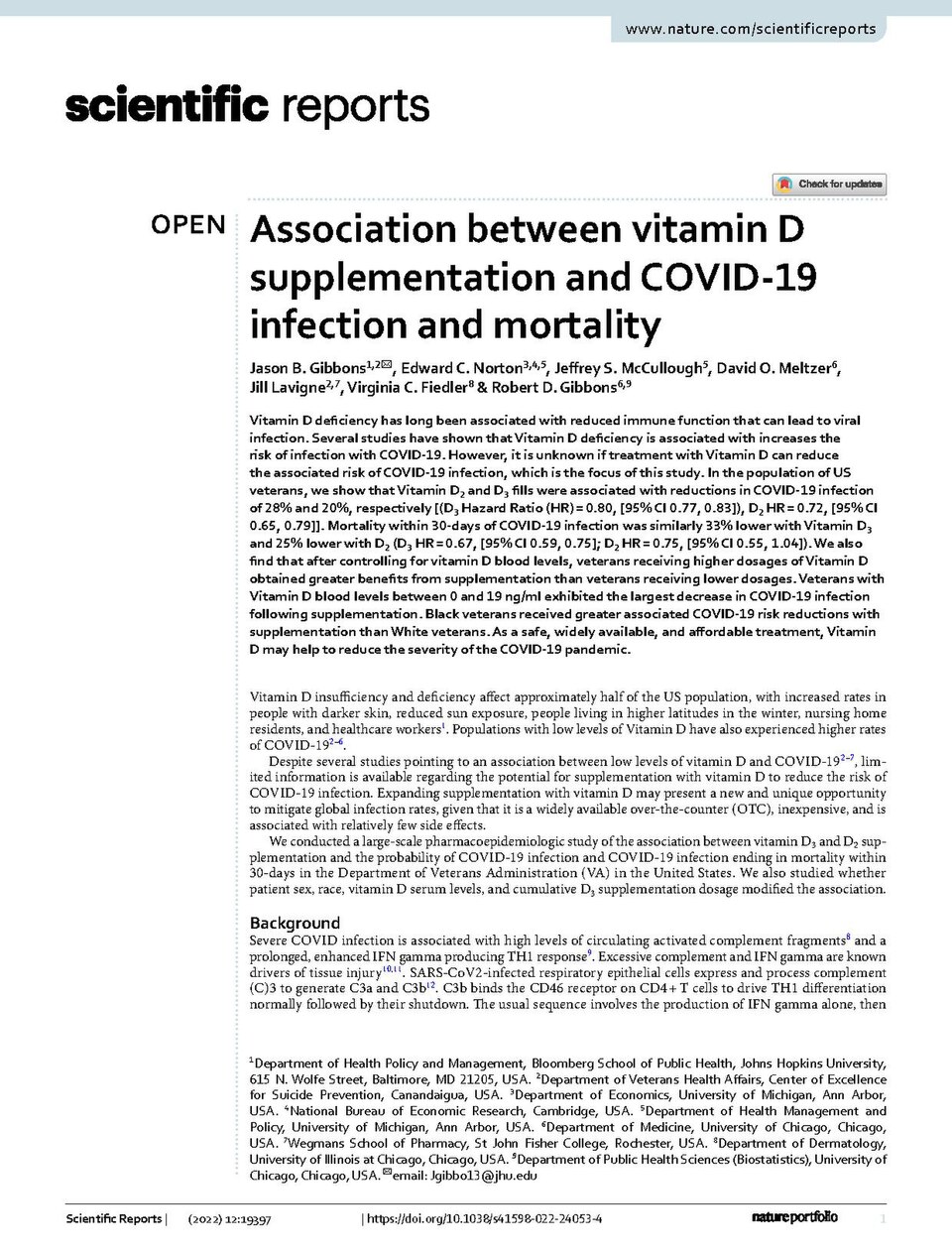
Elevated Liver Enzymes? ALT AST High Meaning, Ratio & When to Upload (2026)
Summary & Key Takeaway
An ALT of 78 or AST of 65 flagged high with a reference 10�40 appears in 10-15% of routine labs and is usually mild (1�3� the upper limit) from fatty liver, recent alcohol, a new statin, or strenuous exercise � not liver failure. How high matters more than the flag: 2� with normal bilirubin and ALP is typically watch and repeat fasting in 6�8 weeks, while 10� with high bilirubin is same-day care. ALT is more liver-specific than AST, and the AST-to-ALT ratio plus bilirubin and ALP decide next step. Uploading your liver panel as a PDF gives a pattern read in 30 seconds. [Premedice](/) explains your numbers free with no storage, so you can decide whether to watch, call, or go now.
?? Core Insights
- ALT and AST are the two main liver enzymes measured on a standard metabolic panel. Both are released into the blood when liver cells are damaged, but they are also present in other tissues.
- Mildly elevated liver enzymes (less than 3x the upper limit of normal) are very common and usually reflect reversible causes like fatty liver, alcohol, or medications.
- An AST-to-ALT ratio above 2 is suggestive of alcoholic liver disease. A ratio below 1 is more typical of non-alcoholic fatty liver disease (NAFLD) or viral hepatitis.
- Severely elevated liver enzymes (more than 10x normal) signal acute liver injury and require immediate evaluation. Common causes include viral hepatitis, drug-induced liver injury, and autoimmune hepatitis.
- NAFLD affects approximately 30% of US adults and is the leading cause of mildly elevated liver enzymes in the developed world.
What ALT and AST Actually Measure
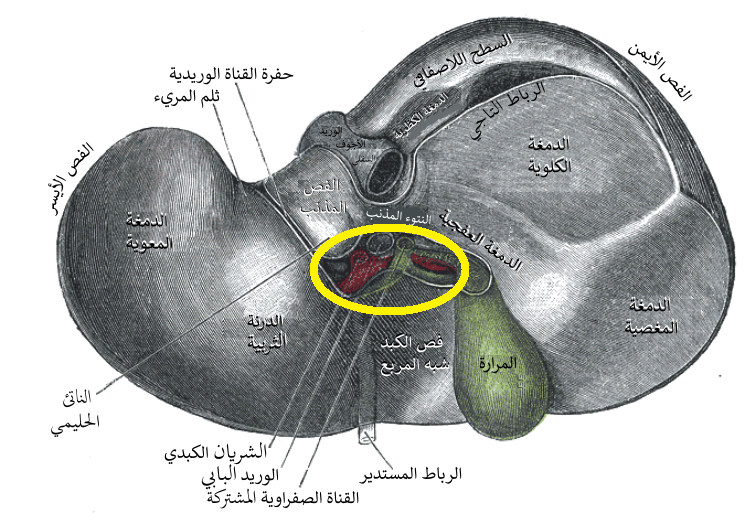
Alanine aminotransferase (ALT) is an enzyme found primarily in the liver. It is released into the bloodstream when liver cells are damaged. Alanine aminotransferase is the most liver-specific of the commonly measured enzymes, which makes it the most useful marker for detecting liver injury. The normal range varies by laboratory but is typically 7-56 units per liter (U/L).
Aspartate aminotransferase (AST) is found in the liver, but also in muscle, heart, kidney, brain, and red blood cells. Because AST is present in multiple tissues, an elevated AST can reflect damage to organs other than the liver. The normal range is typically 10-40 U/L. When both ALT and AST are elevated, the liver is the most likely source. When AST is elevated alone, the source may be muscle (strenuous exercise) or red blood cells (hemolysis).
Other liver enzymes commonly measured on a comprehensive metabolic panel include alkaline phosphatase (ALP), which is elevated in cholestatic liver disease and bone disease, and gamma-glutamyl transferase (GGT), which is elevated in alcohol use and biliary disease. Total bilirubin, direct bilirubin, and albumin provide additional information about liver function. The combination of these markers allows differentiation between hepatocellular injury (ALT, AST), cholestatic injury (ALP, GGT, bilirubin), and synthetic dysfunction (albumin, INR).
The Most Common Causes of Elevated Liver Enzymes
Non-alcoholic fatty liver disease (NAFLD) is the leading cause of mildly elevated liver enzymes in the developed world, affecting approximately 30% of US adults. NAFLD is associated with obesity, type 2 diabetes, metabolic syndrome, and insulin resistance. The liver enzyme pattern is typically ALT greater than AST, with mild elevation (usually 1.5-3x the upper limit of normal). Most patients with NAFLD have no symptoms and the diagnosis is made incidentally on routine blood work.
Alcoholic liver disease is the second most common cause of mildly elevated liver enzymes. The enzyme pattern is typically AST greater than ALT, with an AST-to-ALT ratio above 2. The classic teaching of the 2:1 ratio reflects alcohol-induced mitochondrial damage and pyridoxine (vitamin B6) deficiency, which affects ALT synthesis more than AST synthesis. Alcohol-related liver enzyme elevations typically resolve with 2-4 weeks of abstinence.
Medications are a common and often overlooked cause of elevated liver enzymes. Over 1,000 medications can cause liver injury, with the most common being acetaminophen (especially at high doses), statins, certain antibiotics (amoxicillin-clavulanate, flucloxacillin), antituberculosis drugs (isoniazid, rifampin), nonsteroidal anti-inflammatory drugs (NSAIDs), and antiepileptic drugs (valproic acid, phenytoin). Most drug-induced liver injury is reversible with discontinuation of the offending agent.
Reading the AST-to-ALT Ratio
The ratio between AST and ALT provides diagnostic clues that the individual numbers do not. The ratio is calculated by dividing the AST value by the ALT value. A ratio above 2 is strongly suggestive of alcoholic liver disease. A ratio above 1 with both enzymes elevated can indicate advanced fibrosis or cirrhosis, regardless of cause. A ratio below 1 is typical of NAFLD, viral hepatitis, and acute liver injury.
Viral hepatitis (hepatitis B and C) typically presents with ALT higher than AST, with values often 5-10x the upper limit of normal in acute infection. Chronic hepatitis C often presents with mild elevations (1.5-3x normal) and is one of the most common causes of persistently elevated liver enzymes in adults born between 1945 and 1965 (the CDC recommends one-time hepatitis C screening for this birth cohort).
Autoimmune hepatitis typically presents with very high ALT and AST (often 10-20x normal), particularly in young women. The diagnosis is confirmed by specific antibody testing (ANA, anti-smooth muscle antibody, anti-LKM1). Hereditary hemochromatosis (iron overload) classically presents with mild elevations and an AST-to-ALT ratio above 1. Wilson disease (copper accumulation) presents in younger patients with elevated liver enzymes plus neurological or psychiatric symptoms.
How Common Is It? Prevalence and Risk Factors
About 10-20% of adults have mildly elevated liver enzymes on routine labs, and 30% of those elevations are transient and resolve on repeat in 3 weeks without any intervention. The most common persistent cause is MASLD (metabolic dysfunction-associated steatotic liver disease, formerly NAFLD) in 1 in 3 adults, followed by alcoholic liver disease in 1 in 15. That means for every 100 people with a mild flag, about 33 have fatty liver and 6-7 have alcohol-related changes, while uncommon causes like hepatitis C (1 in 80) and drug injury are far less frequent. This base rate matters because it tells you where to look first.
Risk factors that raise your pre-test probability are alcohol use, diabetes, obesity, rapid weight loss, family history of liver disease, and exposure to hepatitis. If you have none of these and a single mild elevation, repeat in 3 weeks fasting often normalizes. If you have 2-3 risk factors, check hepatitis B/C, iron, and get an ultrasound, and calculate FIB-4 to estimate fibrosis risk without a biopsy. FIB-4 uses age, AST, ALT, and platelets: <1.3 low risk, 1.3-2.67 indeterminate, >2.67 high risk for advanced fibrosis. That score decides who needs elastography or referral, not the ALT alone.
| Cause | Prevalence | Clue (Ratio / Risk) | First Test |
|---|---|---|---|
| MASLD (fatty liver) | 1 in 3 | AST/ALT <0.8, obesity/diabetes | Ultrasound + FIB-4 |
| Alcoholic liver disease | 1 in 15 | AST/ALT >2, alcohol use | Alcohol history, abstinence 2-4 weeks |
| Chronic hepatitis C | 1 in 80 | Born 1945-65, transfusion | Hep C antibody |
| Drug-induced (statin, acetaminophen) | 1-2 in 10,000 | New drug 14-90 days | Med review, stop offending |
| Hemochromatosis | 1 in 250 | Family history, ferritin high | Iron studies, transferrin saturation |
| Extrahepatic (thyroid, muscle, celiac) | Varies | Normal liver workup | TSH, CK, tTG-IgA |
Mild Elevations: How to Evaluate
Mildly elevated liver enzymes (less than 3x the upper limit of normal) are very common and usually benign. The evaluation begins with a detailed history of medications (including over-the-counter drugs and supplements), alcohol use, risk factors for viral hepatitis, and symptoms of liver disease. Physical examination may reveal signs of chronic liver disease (jaundice, spider angiomata, palmar erythema, hepatomegaly).
Initial additional testing typically includes hepatitis B surface antigen and core antibody, hepatitis C antibody, and a complete metabolic panel with all liver enzymes. If fatty liver is suspected based on metabolic risk factors, an abdominal ultrasound is appropriate to assess for hepatic steatosis. In patients with persistent elevation despite addressing reversible causes, additional testing may include iron studies, ceruloplasmin, autoimmune markers, and alpha-1 antitrypsin level.
For most patients with mild elevations, lifestyle modifications produce meaningful improvement. Weight loss of 5-10% of body weight can reduce liver fat by 30-50% in patients with NAFLD. For a plain-English check of your own numbers, upload your liver panel to the ALT AST liver upload explainer or run the free lab upload for a 30-second pattern read. Reduction or elimination of alcohol can resolve alcohol-related elevations within 2-4 weeks. Discontinuation of hepatotoxic medications or supplements can resolve drug-induced elevations. A repeat liver panel after 3-6 months of intervention typically shows improvement.
Severe Elevations: When to Seek Immediate Care
Severely elevated liver enzymes (more than 10x the upper limit of normal) signal acute liver injury and require immediate evaluation. Common causes include acute viral hepatitis (especially hepatitis A), drug-induced liver injury (especially acetaminophen overdose), autoimmune hepatitis, ischemic hepatitis (shock liver from low blood pressure), and acute biliary obstruction (gallstones, tumors).
Symptoms of acute liver injury include jaundice (yellowing of skin and eyes), dark urine, light-colored stools, severe fatigue, nausea, vomiting, abdominal pain, and confusion (in advanced cases). These symptoms in combination with severely elevated liver enzymes constitute a medical emergency requiring urgent evaluation, often in a hospital setting.
Acetaminophen toxicity is the most common cause of acute liver failure in the United States and is preventable. The maximum safe daily dose is 4,000 mg for adults, but liver injury can occur at lower doses in patients with pre-existing liver disease, chronic alcohol use, or malnutrition. The antidote N-acetylcysteine (NAC) is highly effective when given within 8-10 hours of overdose, but the window for treatment narrows quickly. Any patient with suspected acetaminophen overdose should seek emergency care immediately.
Fatty Liver Disease: The Silent Epidemic
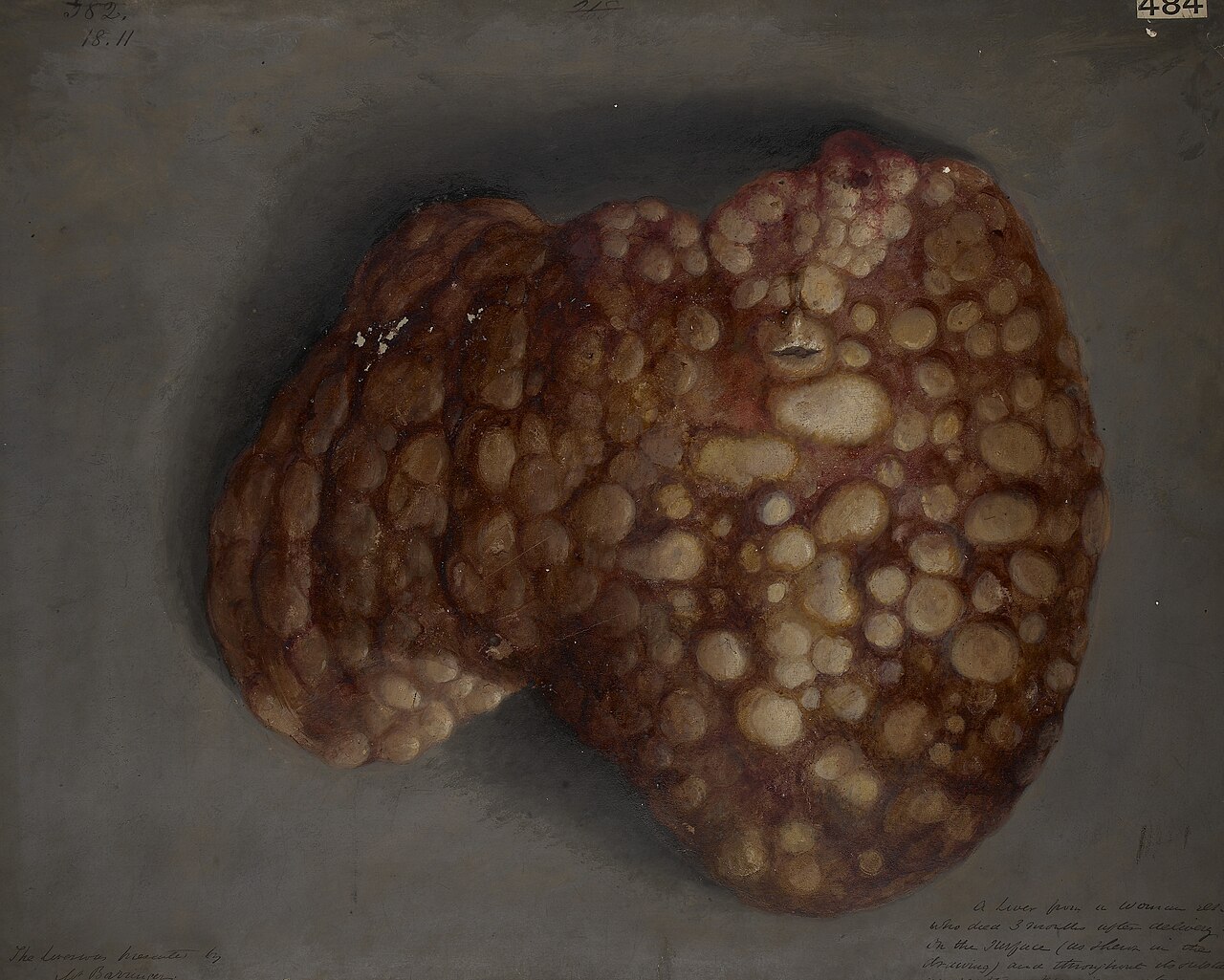
Non-alcoholic fatty liver disease (NAFLD) is the most common cause of chronic liver disease worldwide, affecting approximately 30% of US adults and 25% of the global population. The disease is silent in its early stages, with most patients identified incidentally on routine blood work or imaging. NAFLD progresses through stages: simple steatosis (fat in the liver), non-alcoholic steatohepatitis (NASH, fat with inflammation), fibrosis (scarring), and cirrhosis (advanced scarring).
Risk factors for NAFLD include obesity, type 2 diabetes, metabolic syndrome, dyslipidemia, and insulin resistance. The disease is more common in men than women and increases with age. Hispanic populations have higher rates, while Black populations have lower rates despite similar metabolic risk factors. The diagnosis is typically made by imaging (ultrasound, CT, or MRI) showing fat in the liver, with exclusion of other causes.
The treatment for NAFLD is weight loss and metabolic risk factor control. A 5-10% weight loss reduces liver fat by 30-50% and can reverse inflammation. Resmetirom (Rezdiffra), approved by the FDA in 2024, is the first medication specifically indicated for NASH with moderate to advanced fibrosis. GLP-1 receptor agonists (semaglutide, tirzepatide) have shown promising results in NAFLD/NASH treatment, with significant reductions in liver fat. The current era of NAFLD treatment is rapidly evolving.
Viral Hepatitis: Still Common and Often Undiagnosed
Hepatitis B and C affect millions of Americans, many of whom are undiagnosed. Hepatitis B is preventable by vaccination and is transmitted through blood and body fluids. Hepatitis C is treatable with direct-acting antivirals that cure over 95% of cases in 8-12 weeks. The CDC recommends one-time hepatitis C screening for all adults aged 18-79 and routine hepatitis B screening for all adults.
Acute hepatitis B infection often produces very high ALT and AST (often 10-50x normal) with jaundice. Most adults clear acute hepatitis B infection, but some develop chronic infection. Chronic hepatitis B is typically asymptomatic with mild enzyme elevations (1.5-3x normal). Long-term management includes monitoring for cirrhosis and hepatocellular carcinoma.
Hepatitis C is usually asymptomatic in both acute and chronic stages. About 25% of patients clear acute hepatitis C spontaneously, but 75% develop chronic infection. Chronic hepatitis C is the leading cause of liver cirrhosis and hepatocellular carcinoma in the United States. The development of direct-acting antivirals (DAAs) has revolutionized treatment, with cure rates exceeding 95% and minimal side effects. Screening and treatment of hepatitis C is one of the most cost-effective interventions in modern medicine.
How to Use Your Liver Function Results Before Your Appointment
Most patients with elevated liver enzymes are identified on routine blood work before any symptoms appear. The waiting period between receiving results and seeing the doctor can be anxiety-provoking. An AI liver function review can help you understand what your results mean in plain English, identify the most likely causes based on your pattern, and prepare specific questions for your doctor visit.
A high-quality AI review will identify the AST-to-ALT ratio, classify the elevation as mild, moderate, or severe, and highlight findings that warrant urgent attention. The review cannot diagnose the underlying cause, but it can help you understand whether your results are consistent with NAFLD, alcoholic liver disease, viral hepatitis, medication effects, or other patterns. This preparation makes the doctor visit more efficient and more focused.
Bring your full medication list, including over-the-counter drugs and supplements, to your appointment. Many patients do not realize that common supplements (kava, comfrey, green tea extract, anabolic steroids) can cause liver injury. The medication history is often the critical piece of information that identifies the cause of elevated enzymes. An AI review can help you identify the information to bring and the questions to ask.

Dr. Elena Rostova, MD, PhD
Dr. Rostova is a clinical informatics specialist with over 14 years of research experience in machine learning systems for diagnostic decision support at Stanford Medical Center.
Expert Takeaway
Mildly elevated liver enzymes are very common and, in most cases, reflect a reversible cause. The first step is to identify the cause (fatty liver, alcohol, medications, viral hepatitis) and address it. Most patients with mildly elevated enzymes do not have progressive liver disease, but they deserve evaluation to confirm.
QFrequently Asked Questions
Q1What is a normal ALT and AST level?
Normal ALT is typically 7-56 U/L and normal AST is typically 10-40 U/L. The exact range varies by laboratory. Mild elevation (less than 3x the upper limit of normal) is very common and usually reflects reversible causes. Severe elevation (more than 10x normal) is rare and indicates acute liver injury requiring immediate evaluation.
Q2What does an AST to ALT ratio above 2 mean?
An AST-to-ALT ratio above 2 is strongly suggestive of alcoholic liver disease. The ratio reflects alcohol-induced mitochondrial damage and pyridoxine (vitamin B6) deficiency, which affects ALT synthesis more than AST synthesis. A ratio above 1 with both enzymes elevated can also indicate advanced fibrosis or cirrhosis, regardless of cause.
Q3Can fatty liver cause elevated liver enzymes?
Yes. Non-alcoholic fatty liver disease (NAFLD) is the leading cause of mildly elevated liver enzymes in the developed world, affecting 30% of US adults. The enzyme pattern is typically ALT greater than AST, with mild elevation (1.5-3x the upper limit of normal). Weight loss of 5-10% can reduce liver fat by 30-50%.
Q4When should I worry about elevated liver enzymes?
Severe elevation (more than 10x the upper limit of normal) always warrants immediate evaluation. Mild elevation (less than 3x normal) is usually benign but should be evaluated to identify the cause. Symptoms that warrant urgent care include jaundice, dark urine, severe abdominal pain, and confusion. Any patient with these symptoms should seek emergency care.
Q5Will elevated liver enzymes return to normal?
Most causes of elevated liver enzymes are reversible. Alcohol-related elevations resolve within 2-4 weeks of abstinence. Drug-induced elevations resolve after discontinuation of the offending agent. Fatty liver elevations improve with weight loss and metabolic risk factor control. Viral hepatitis B can be controlled with antiviral medications, and hepatitis C is curable with direct-acting antivirals.
Q6Should I avoid alcohol if my liver enzymes are elevated?
Yes. Alcohol is a common cause of elevated liver enzymes and can worsen underlying liver disease. Even modest alcohol consumption can accelerate liver damage in patients with existing liver disease. The recommended approach is to abstain from alcohol until liver enzymes normalize and the underlying cause is identified. Your doctor can advise on safe alcohol consumption after the cause is determined.
Verified References & Literature
AASLD Guidelines for the Treatment of Hepatotoxicity and Drug-Induced Liver Injury
Hepatology, 2024
View SourceGet a structured second read in seconds
Upload lab results, describe symptoms, or ask about a diagnosis — Premedice gives you medically-grounded answers backed by 30+ clinical databases.