Anemia Symptoms: What Your Blood Test Reveals About Your Iron
Summary & Key Takeaway
Anemia affects approximately 30% of the global population and is the most common blood disorder worldwide. The hallmark is low hemoglobin, the oxygen-carrying protein in red blood cells. The symptoms are nonspecific (fatigue, weakness, shortness of breath) and often attributed to other causes, which is why many cases of anemia go undiagnosed for years. A simple blood test can identify anemia, and the pattern of results can identify the underlying cause. This guide walks you through the blood markers that define anemia, the symptoms that warrant testing, and the most common causes of iron deficiency.
?? Core Insights
- Anemia is defined as hemoglobin below 12 g/dL for women or below 13 g/dL for men. The cutoff varies slightly by laboratory and by population.
- Iron deficiency anemia is the most common type of anemia worldwide, accounting for approximately 50% of all anemia cases. It is diagnosed by low hemoglobin combined with low ferritin and low transferrin saturation.
- Common symptoms of anemia include fatigue, weakness, pale skin, shortness of breath, dizziness, cold hands and feet, and brittle nails. The symptoms develop gradually and are often attributed to other causes.
- A ferritin level below 30 ng/mL is diagnostic of iron deficiency, even when hemoglobin is normal. This is called iron deficiency without anemia, and it is 3x more common than iron deficiency anemia.
- Premedice's free AI blood test review can help you understand your iron studies and identify the patterns that suggest iron deficiency, anemia of chronic disease, or other causes.
What Is Anemia and How Common Is It
Anemia is a condition in which the number of red blood cells or the hemoglobin concentration is lower than normal, reducing the blood's capacity to carry oxygen. The World Health Organization defines anemia as hemoglobin below 12 g/dL for non-pregnant women, below 11 g/dL for pregnant women, and below 13 g/dL for men. The thresholds vary slightly by laboratory and by population, but these are the most widely accepted cutoffs.
Anemia affects approximately 30% of the global population, which translates to nearly 2 billion people. The prevalence is highest in preschool-age children (47%), pregnant women (42%), and non-pregnant women of reproductive age (30%). In the United States, the prevalence is lower but still significant, with approximately 10% of adults having anemia at any given time according to NHANES data.
Anemia is not a single diagnosis. It is a finding that can result from many underlying causes. The most common causes worldwide are iron deficiency (accounting for approximately 50% of all anemia), anemia of chronic disease (also called anemia of inflammation), B12 and folate deficiency, hemoglobinopathies (sickle cell disease, thalassemia), and bone marrow disorders. Identifying the cause is essential for directing treatment.
The Blood Tests That Define Anemia
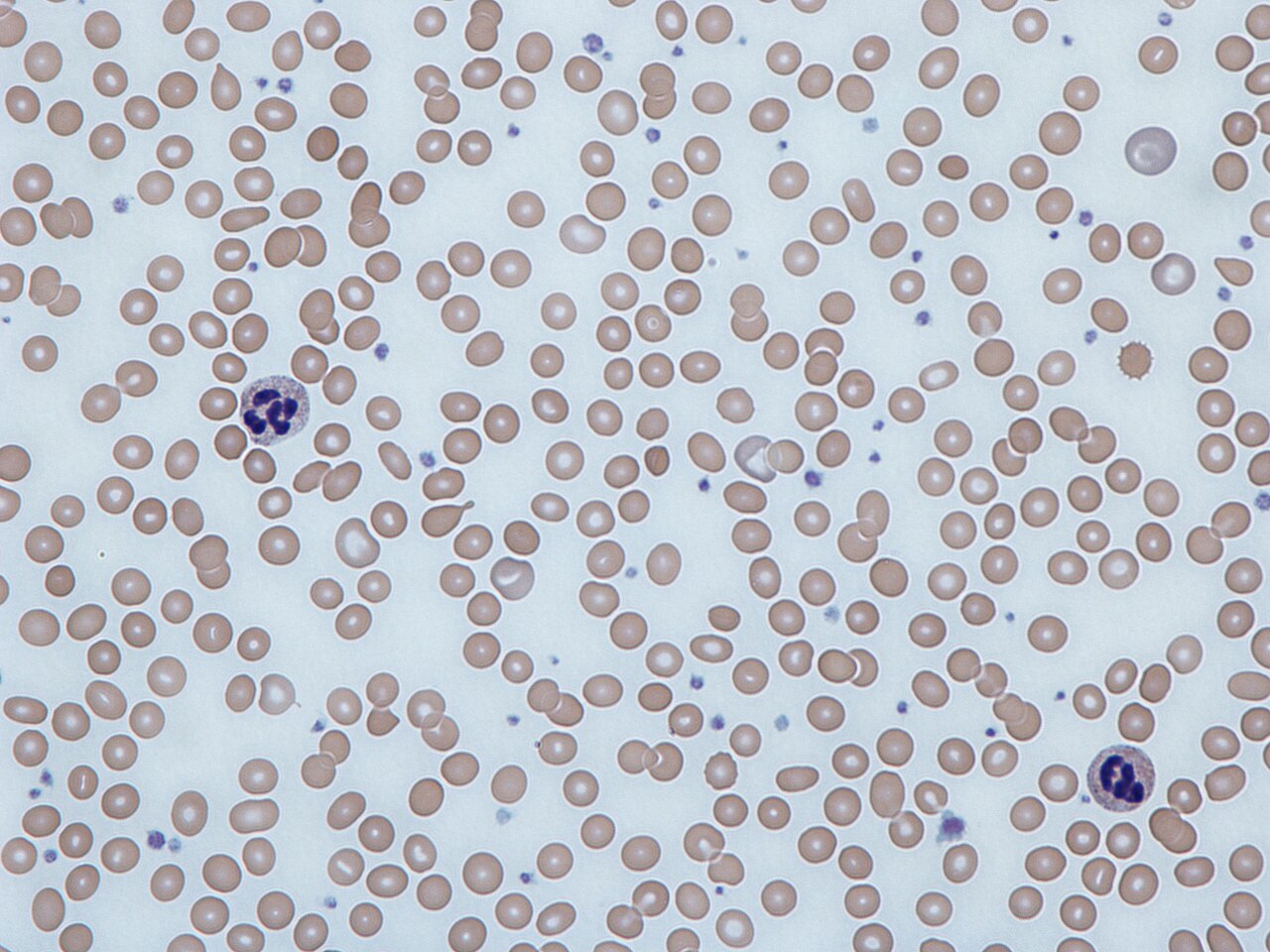
The complete blood count (CBC) is the primary test for anemia. It includes hemoglobin, hematocrit, red blood cell count, and red blood cell indices (MCV, MCH, MCHC, RDW). The hemoglobin value is the diagnostic criterion. The other values help classify the type of anemia. Mean corpuscular volume (MCV) measures the average size of red blood cells and is the most useful index for classification.
Anemia is classified by MCV into three categories: microcytic (MCV below 80 fL), normocytic (MCV 80-100 fL), and macrocytic (MCV above 100 fL). Microcytic anemia is most commonly caused by iron deficiency, thalassemia, or anemia of chronic disease. Normocytic anemia can be caused by early iron deficiency, anemia of chronic disease, kidney disease, bone marrow disorders, or acute blood loss. Macrocytic anemia is most commonly caused by B12 or folate deficiency, medications, or bone marrow disorders.
Additional testing for anemia workup typically includes ferritin (iron storage), iron (serum iron), transferrin saturation (the percentage of transferrin carrying iron), and total iron-binding capacity (TIBC). These iron studies help distinguish between iron deficiency, anemia of chronic disease, and mixed pictures. B12 and folate levels are appropriate for macrocytic anemia. Reticulocyte count helps distinguish between underproduction (low reticulocytes) and increased destruction or loss (high reticulocytes).
Iron Deficiency Anemia: The Most Common Type
Iron deficiency anemia accounts for approximately 50% of all anemia cases worldwide. It occurs when the body's iron stores are depleted to the point that the bone marrow cannot produce enough hemoglobin. The progression is gradual: iron stores deplete first (low ferritin), then iron transport decreases (low transferrin saturation), then hemoglobin production falls (low hemoglobin). This sequence is why early iron deficiency can be detected before anemia develops.
The blood test pattern for iron deficiency anemia is low hemoglobin, low MCV (microcytic), low ferritin (below 30 ng/mL), low serum iron, low transferrin saturation (below 20%), and high TIBC. The high TIBC reflects the body's compensatory response to low iron, which is to produce more transferrin to capture any available iron. RDW (red cell distribution width) is often elevated, reflecting the variability in red blood cell size.
The symptoms of iron deficiency anemia develop gradually as the body adapts to low hemoglobin. Many patients with mild iron deficiency anemia have no symptoms at all. As hemoglobin falls further, symptoms include fatigue, weakness, pale skin, shortness of breath on exertion, dizziness, cold hands and feet, headaches, brittle nails, hair loss, and pica (craving non-food substances like ice or dirt). The symptom of pica, particularly craving ice, is highly specific for iron deficiency.
Iron Deficiency Without Anemia: The Hidden Diagnosis
Iron deficiency without anemia is three times more common than iron deficiency anemia, but it is not routinely tested for. The condition is defined as low ferritin (below 30 ng/mL) with normal hemoglobin. Patients with iron deficiency without anemia often have symptoms that are similar to iron deficiency anemia, including fatigue, hair loss, restless legs, and difficulty concentrating, but their hemoglobin is normal.
The traditional cutoff for normal ferritin (above 12 ng/mL for women, above 30 for men) was based on the lower limit of the population reference range, not on the body's actual iron requirements. Multiple studies have shown that ferritin below 30 ng/mL is associated with iron deficiency, even when hemoglobin is normal. Some experts recommend a ferritin target of 50-100 ng/mL for optimal health, particularly in women of reproductive age.
Restless legs syndrome is strongly associated with iron deficiency. A 2021 study in Sleep Medicine found that ferritin levels below 50 ng/mL were associated with increased risk of restless legs, and that iron supplementation improved symptoms in patients with low ferritin. Hair loss is another symptom that has been linked to iron deficiency, particularly in women. A ferritin level below 40 ng/mL is associated with increased hair shedding in some studies.
Anemia of Chronic Disease vs. Iron Deficiency
Anemia of chronic disease (also called anemia of inflammation) is the second most common type of anemia after iron deficiency. It occurs in patients with chronic inflammatory conditions, including rheumatoid arthritis, inflammatory bowel disease, chronic kidney disease, chronic infections, and cancer. The mechanism involves inflammatory cytokines that increase hepcidin, which blocks iron absorption and traps iron in storage, making it unavailable for red blood cell production.
The blood test pattern for anemia of chronic disease is low hemoglobin, low or normal MCV (normocytic or mildly microcytic), normal or high ferritin, low serum iron, low transferrin saturation, and low or normal TIBC. The high ferritin with low iron is the distinguishing feature. Ferritin is an acute phase reactant, so it rises during inflammation regardless of iron status. Low iron with high ferritin suggests the iron is trapped in storage rather than being deficient.
Mixed iron deficiency and anemia of chronic disease is common in patients with chronic inflammatory conditions, particularly when there is also blood loss (menstrual bleeding, GI bleeding). The blood test pattern in mixed pictures can be confusing, with ferritin that is intermediate (30-100 ng/mL). A trial of iron supplementation or additional testing (soluble transferrin receptor) may be needed to clarify the picture. Your doctor can determine the appropriate approach based on your specific clinical situation.
B12 and Folate Deficiency Anemia
B12 and folate deficiency cause macrocytic anemia, with MCV above 100 fL. The red blood cells are larger than normal because the deficiency impairs DNA synthesis, slowing the cell division cycle and producing larger, less mature cells. B12 deficiency is common in older adults, vegetarians, and patients with pernicious anemia or malabsorption conditions. Folate deficiency is common in patients with poor dietary intake, alcohol use disorder, and certain medications.
B12 deficiency causes a characteristic pattern of macrocytic anemia with neurological symptoms (numbness, tingling, balance problems, cognitive changes). The neurological symptoms can occur even without anemia, which is why B12 testing is appropriate for any patient with cognitive or neurological symptoms. The classic finding on blood smear is hypersegmented neutrophils, which have more than the usual number of nuclear lobes.
Folate deficiency causes macrocytic anemia without the neurological symptoms seen in B12 deficiency. The treatment is folic acid supplementation, but folate supplementation can mask the anemia of B12 deficiency while allowing the neurological damage to progress. This is why B12 status should be evaluated before starting folate supplementation in patients with macrocytic anemia. Methylmalonic acid (MMA) and homocysteine levels can help distinguish between B12 and folate deficiency when the diagnosis is unclear.
When Anemia Warrants Urgent Evaluation
Severe anemia (hemoglobin below 7 g/dL) requires urgent evaluation, particularly if the onset is rapid. Symptoms of severe anemia include chest pain, shortness of breath at rest, confusion, and rapid heart rate. These symptoms indicate that the body is not getting enough oxygen and require immediate medical attention. Severe anemia can result from acute blood loss (GI bleeding, trauma, surgery) or from chronic conditions that have worsened.
Anemia with other abnormal blood counts (low platelets, abnormal white blood cells) raises concern for bone marrow disorders, including leukemia, aplastic anemia, and myelodysplastic syndromes. These conditions are rare but serious. Any patient with unexplained anemia plus other cytopenias should be evaluated by a hematologist promptly.
Anemia in pregnancy requires special attention because it affects both the mother and the developing fetus. Severe anemia in pregnancy is associated with increased risk of preterm birth, low birth weight, and maternal complications. Iron deficiency is the most common cause. Prenatal vitamins typically contain iron, but additional supplementation may be needed for women with documented deficiency. The American College of Obstetricians and Gynecologists recommends screening for anemia at the first prenatal visit and again in the third trimester.
How to Use AI to Understand Your Anemia Results
An AI blood test review can help you understand what your anemia workup means before your doctor visit. The AI identifies the pattern of your results (microcytic, normocytic, macrocytic), evaluates the iron studies, and suggests the most likely causes based on the pattern. The review is not a diagnosis, but it helps you prepare specific questions for your doctor.
The most useful information to bring to your doctor visit is the trend of your hemoglobin over time. A single hemoglobin value provides one data point. A trend of hemoglobin over months or years tells the story of whether your anemia is new, chronic, or worsening. Your patient portal typically shows historical results. If you have been having blood work for years, the trend is often more informative than the single most recent value.
For patients with chronic anemia or recurrent iron deficiency, an AI summary can help you understand whether your treatment is working. The hemoglobin should rise by 2-3 g/dL within 4-6 weeks of starting iron supplementation. If the response is slower than expected, additional testing may be needed to identify ongoing blood loss (colonoscopy, endoscopy, evaluation of menstrual bleeding). The AI summary can help you track the response and identify when additional evaluation is warranted.

Dr. Elena Rostova, MD, PhD
Dr. Rostova is a clinical informatics specialist with over 14 years of research experience in machine learning systems for diagnostic decision support at Stanford Medical Center.
Expert Takeaway
Anemia is common, treatable, and often missed. The blood test pattern can identify the cause and guide treatment. Iron deficiency is the most common cause, but it is not the only cause. A comprehensive evaluation including iron studies, B12, folate, and other markers is appropriate for any adult with anemia.
QFrequently Asked Questions
Q1What is a normal hemoglobin level?
Normal hemoglobin is 12-16 g/dL for women and 13-17 g/dL for men. The WHO defines anemia as hemoglobin below 12 g/dL for non-pregnant women, below 11 g/dL for pregnant women, and below 13 g/dL for men. Mild anemia (hemoglobin 10-12 g/dL) is usually well-tolerated. Moderate anemia (8-10 g/dL) produces symptoms at rest. Severe anemia (below 7 g/dL) requires urgent evaluation.
Q2What does low ferritin mean?
A ferritin level below 30 ng/mL is diagnostic of iron deficiency, even when hemoglobin is normal. Ferritin is the protein that stores iron in the body. Low ferritin indicates depleted iron stores, which is the first stage of iron deficiency. Some experts recommend a ferritin target of 50-100 ng/mL for optimal health, particularly in women of reproductive age.
Q3What are the most common symptoms of anemia?
Common symptoms of anemia include fatigue, weakness, pale skin, shortness of breath on exertion, dizziness, cold hands and feet, headaches, brittle nails, hair loss, and pica (craving non-food substances like ice or dirt). The symptoms develop gradually and are often attributed to stress, aging, or busy schedules. The symptom of pica, particularly craving ice (pagophagia), is highly specific for iron deficiency.
Q4What is the difference between iron deficiency and anemia?
Iron deficiency is the loss of iron stores, defined as ferritin below 30 ng/mL. Anemia is the condition in which the hemoglobin is below normal. Iron deficiency can exist without anemia (iron deficiency without anemia) when the body compensates for low iron by producing red blood cells with reduced hemoglobin content. About 5-10% of women of reproductive age have iron deficiency without anemia, which is three times more common than iron deficiency anemia.
Q5How long does it take for iron supplements to work?
Hemoglobin typically rises by 2-3 g/dL within 4-6 weeks of starting iron supplementation. Ferritin rises more slowly, taking 3-6 months to reach the target range. The reticulocyte count (immature red blood cells) rises within 7-10 days, which is the earliest sign that the treatment is working. Vitamin C can enhance iron absorption, while calcium, tea, coffee, and antacids can reduce absorption. Take iron supplements on an empty stomach with vitamin C for best absorption.
Q6Can I get too much iron?
Yes. Iron overload (hemochromatosis) is a serious condition that can damage the liver, heart, and pancreas. Iron supplementation should not be started without testing ferritin and iron levels. Patients with hereditary hemochromatosis absorb too much iron from food and can develop organ damage over decades. Iron supplementation in patients with hemochromatosis accelerates the damage. Always test before supplementing.
Q7What is the difference between anemia and anemia of chronic disease?
Iron deficiency anemia is caused by low iron stores, with low ferritin and high TIBC. Anemia of chronic disease is caused by inflammation trapping iron in storage, with normal or high ferritin and low TIBC. The treatment is different: iron deficiency is treated with iron supplementation, while anemia of chronic disease is treated by addressing the underlying inflammatory condition. Mixed iron deficiency and anemia of chronic disease is common in patients with chronic inflammatory conditions, particularly when there is blood loss.
Verified References & Literature
Get a structured second read in seconds
Upload lab results, describe symptoms, or ask about a diagnosis — Premedice gives you medically-grounded answers backed by 30+ clinical databases.