Urinary Tract Infections: Symptoms, Treatment, and Prevention
Summary & Key Takeaway
Urinary tract infections (UTIs) are bacterial infections in any part of the urinary system � kidneys, ureters, bladder, or urethra � and they're among the most common bacterial infections, affecting over 150 million people per year worldwide. Women are particularly susceptible � about 50�60% of women will experience at least one UTI in their lifetime, and 20�30% will have recurrent infections. While most UTIs are simple bladder infections (cystitis) that respond quickly to antibiotics, untreated or complicated UTIs can lead to kidney infections (pyelonephritis) and potentially life-threatening sepsis. Understanding the symptoms, getting appropriate treatment, and implementing prevention strategies can save you from the burning misery of UTIs. [Premedice](/) can help you evaluate your symptoms and determine whether you need antibiotics or further evaluation.
?? Core Insights
- The most common UTI symptom is dysuria (burning with urination), accompanied by urinary frequency, urgency, and suprapubic discomfort � cloudy or foul-smelling urine suggests but doesn't confirm UTI
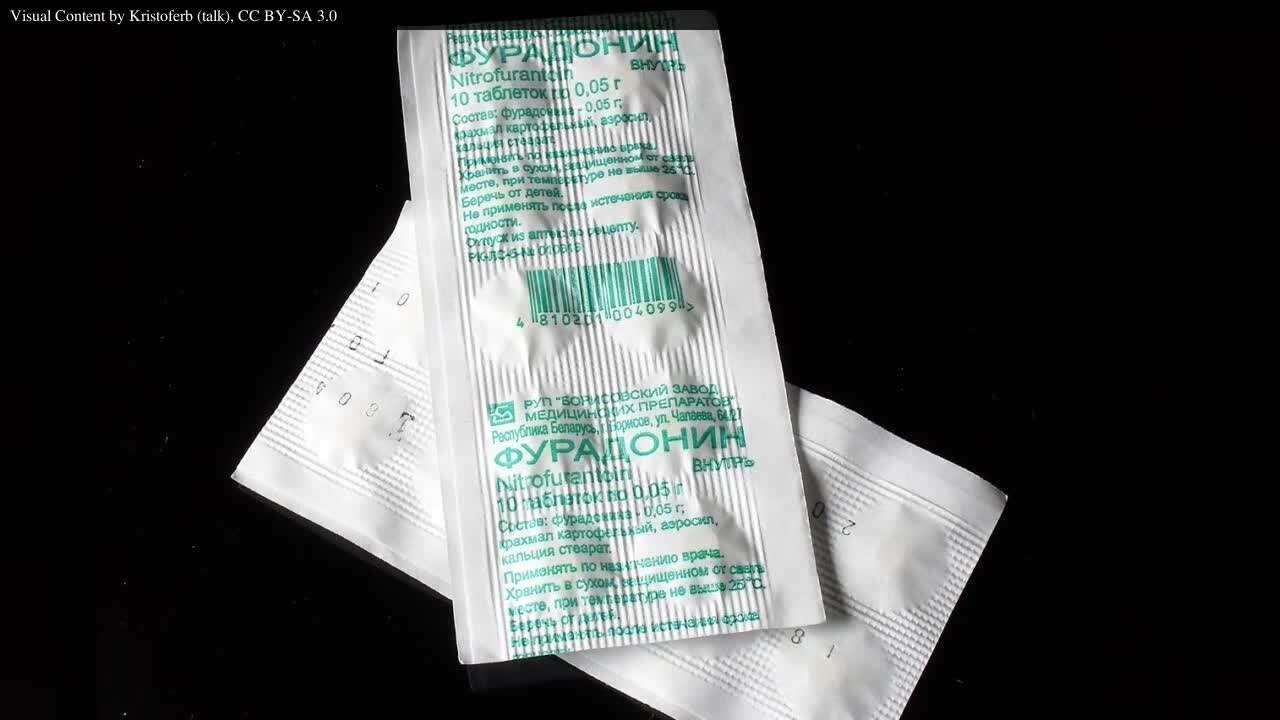
- Uncomplicated cystitis in women is treated with short-course antibiotics (3 days of trimethoprim-sulfamethoxazole, 5 days of nitrofurantoin, or a single dose of fosfomycin)
- Kidney infection (pyelonephritis) presents with fever, flank pain, nausea/vomiting, and requires longer antibiotic courses (7�14 days) and sometimes hospitalization
- Recurrent UTIs (3+ per year or 2+ in 6 months) may be managed with prophylactic antibiotics, post-coital antibiotics (if related to sexual activity), vaginal estrogen (for postmenopausal women), or cranberry products (modest evidence)
- UTIs in men, pregnant women, and children are considered complicated and require evaluation for underlying structural abnormalities. [Premedice](/) can help you evaluate UTI symptoms, review treatment options, and develop a prevention strategy if you experience recurrent infections
Understanding UTI Symptoms
The classic symptoms of a lower UTI (cystitis) are urinary frequency, urgency (sudden, strong need to urinate), dysuria (burning or pain with urination), and suprapubic discomfort (pressure or cramping in the lower abdomen). Urine may be cloudy, bloody (hematuria), or foul-smelling. These symptoms typically develop over 1�2 days and are uncomfortable but not dangerous. In older adults, UTI symptoms may be atypical � confusion, agitation, falls, or general decline may be the only presentation, especially in those with dementia.
Upper UTI (pyelonephritis, kidney infection) presents with fever (often >101�F/38.3�C), chills, flank pain (pain on the side between the ribs and hip), nausea, and vomiting. This is a more serious condition that can lead to sepsis (blood infection) if not treated promptly. Pyelonephritis typically occurs when bacteria from an untreated or inadequately treated lower UTI ascend to the kidney. If you have fever with UTI symptoms, seek medical evaluation promptly � pyelonephritis may require hospitalization and intravenous antibiotics.
Diagnosis: When to Test and When to Treat
For uncomplicated cystitis in young, healthy, non-pregnant women, clinical symptoms alone (dysuria, frequency, urgency) are sufficient for diagnosis with 90%+ accuracy � urine testing is not strictly necessary. However, a urinalysis (checking for leukocytes, nitrites, and bacteria) and urine culture (identifying the specific bacteria and its antibiotic sensitivities) confirm the diagnosis and guide treatment. Urine cultures are important for complicated UTIs, recurrent UTIs, treatment failure, and when symptoms are atypical.
The gold standard for UTI diagnosis is a midstream clean-catch urine culture with >10^5 colony-forming units (CFU) of a single uropathogen. However, lower counts (10^2�10^4 CFU) can still be clinically significant in symptomatic patients. Self-diagnosis is often inaccurate � many women assume they have a UTI when symptoms are caused by vaginitis, sexually transmitted infections, or interstitial cystitis. If symptoms are atypical, recurrent, or don't respond to standard treatment, proper testing is essential.
Treatment: Antibiotics and Alternatives
Uncomplicated cystitis in women is treated with short-course antibiotics, which are as effective as longer courses with fewer side effects. First-line options include: trimethoprim-sulfamethoxazole (Bactrim) 3 days, nitrofurantoin (Macrobid) 5 days, or fosfomycin (Monurol) single dose. Fluoroquinolones (ciprofloxacin, levofloxacin) are effective but should be reserved for complicated UTIs due to serious side effect risks (tendon rupture, peripheral neuropathy, aortic dissection) � the FDA advises against their use for uncomplicated cystitis when other options are available.
Pyelonephritis requires longer antibiotic courses (7�14 days) and may require hospitalization for intravenous antibiotics if the patient is severely ill, pregnant, immunocompromised, or unable to tolerate oral medications. Empiric treatment for outpatient pyelonephritis typically includes a fluoroquinolone (ciprofloxacin or levofloxacin) for 7 days or ceftriaxone injection plus oral trimethoprim-sulfamethoxazole. Antibiotic selection should always be guided by local resistance patterns and culture results when available. Antibiotic stewardship � using the narrowest-spectrum antibiotic that is effective for the shortest duration possible � is essential to minimize antibiotic resistance.
Prevention: Breaking the Recurrence Cycle
Preventing recurrent UTIs requires understanding why they recur. In women, the primary factors are anatomical (short urethra allowing easy bacterial access to the bladder), hormonal (declining estrogen after menopause changes vaginal flora), behavioral (sexual activity increases UTI risk by introducing bacteria into the bladder), and genetic (some women are more susceptible to bacterial adherence to the vaginal and bladder epithelium). Men rarely get UTIs unless they have structural abnormalities (enlarged prostate, urinary catheter) or are uncircumcised.
Prevention strategies include: adequate hydration (drinking 2+ liters per day increases urine flow, flushing bacteria), complete bladder emptying (don't rush when urinating), wiping front-to-back after using the toilet, urinating after sexual intercourse (flushes bacteria introduced during sex), and avoiding irritating feminine products (douches, scented sprays). For postmenopausal women, vaginal estrogen (cream, ring, or tablet) restores healthy vaginal flora and reduces UTI risk by 50�75%. For women with frequent recurrence related to sexual activity, post-coital prophylactic antibiotics (a single dose of trimethoprim-sulfamethoxazole or nitrofurantoin after intercourse) reduce UTI rates by 80%. Non-antibiotic prevention options include cranberry products (containing proanthocyanidins that prevent bacterial adhesion � evidence is modest but real), D-mannose (a sugar that prevents E. coli adherence to the bladder wall), and vaginal probiotics (Lactobacillus rhamnosus and L. reuteri to restore protective vaginal flora).


Dr. Sarah Okonkwo, MD, FACS
Dr. Okonkwo is a board-certified urologist with expertise in urinary tract infections and women's urologic health.
Expert Takeaway
Most UTIs are simple and highly treatable with short-course antibiotics. Kidney infections require longer treatment. Recurrent UTIs can often be prevented with targeted strategies. Don't ignore UTI symptoms � untreated infections can lead to serious complications.
QFrequently Asked Questions
Q1Can UTIs go away without antibiotics?
Simple UTIs may resolve on their own � 25�40% resolve without antibiotics within a week. However, delaying treatment increases kidney infection risk. Since UTIs are easily treated with short-course antibiotics, most doctors recommend treatment rather than watchful waiting.
Q2Why do I keep getting UTIs?
Recurrent UTIs in women are typically caused by bacterial re-colonization, often facilitated by sexual activity, hormonal changes (postmenopausal estrogen decline), or anatomical factors. Prevention strategies � hydration, post-coital voiding, vaginal estrogen, prophylactic antibiotics � significantly reduce recurrence.
Q3Can men get UTIs?
Yes, though less commonly than women. UTIs in men over 50 are often associated with enlarged prostate (BPH), which causes incomplete bladder emptying. UTIs in younger men are less common and may indicate structural abnormalities, kidney stones, or need further evaluation. UTIs in men are considered complicated and typically require longer antibiotic courses and urological evaluation.
Q4Is cranberry juice effective for UTI prevention?
Cranberry products (juice, tablets, capsules) contain proanthocyanidins (PACs) that prevent E. coli bacteria from adhering to the bladder wall. The evidence is modest � cranberry products reduce UTI risk by about 25�30% in women with recurrent UTIs. The most effective products are standardized cranberry extracts with high PAC content (at least 36mg/day). Unsweetened cranberry juice is more effective than cranberry cocktail. It's not a substitute for antibiotics but is a reasonable adjunct.
Q5Can AI help manage UTIs?
AI tools can track UTI symptoms, correlate recurrence patterns with hydration, sexual activity, and hormonal data, monitor antibiotic use, and recommend prevention strategies based on your specific risk factors. Premedice can help you evaluate UTI symptoms, review treatment options, and develop a personalized prevention plan to reduce recurrence frequency.
Verified References & Literature
Uncomplicated Urinary Tract Infections: IDSA Guideline
Clinical Infectious Diseases (Oxford Academic), 2024
View SourceVaginal Estrogen for UTI Prevention in Postmenopausal Women
New England Journal of Medicine, 2024
View SourceCranberry Products for UTI Prevention: Cochrane Review
Cochrane Database of Systematic Reviews, 2024
View SourceGet a structured second read in seconds
Upload lab results, describe symptoms, or ask about a diagnosis — Premedice gives you medically-grounded answers backed by 30+ clinical databases.