Thyroid Antibodies: TPO, TgAb, and TRAb Beyond the Basics
Summary & Key Takeaway
Your thyroid antibody test came back elevated. Maybe it is TPO antibodies at 150 IU/mL, or maybe it is TgAb at 200, and you have no idea what these numbers mean or why your doctor ordered the test in the first place. Thyroid antibodies are among the most commonly tested and least understood markers in routine blood work. They appear in 10-20% of adults, predominantly women, and their presence can mean anything from an autoimmune condition that needs treatment to a harmless finding that will never cause symptoms. This guide goes beyond the basics to explain what each thyroid antibody measures, how they relate to Hashimoto's and Graves' disease, what elevated levels actually predict, and what you should do with your results.
?? Core Insights
- TPO antibodies are the most sensitive marker for Hashimoto's thyroiditis, present in 90-95% of patients with the condition.
- Elevated thyroid antibodies do not automatically mean you have hypothyroidism or will develop it. Many people with elevated antibodies maintain normal thyroid function for years.
- TgAb (thyroglobulin antibodies) are less specific than TPO but important for monitoring thyroid cancer treatment.
- TRAb (TSH receptor antibodies) are the diagnostic marker for Graves' disease and are used to predict neonatal thyroid risk in pregnancy.
- The rate of progression from elevated antibodies to clinical hypothyroidism is approximately 2-5% per year, making monitoring more important than immediate treatment in many cases.
What Thyroid Antibodies Are and Why They Exist
Antibodies are proteins your immune system produces to fight perceived threats. In autoimmune thyroid disease, the immune system mistakenly identifies thyroid tissue as foreign and produces antibodies against it. This is not an infection; it is an autoimmune response where your body attacks itself.
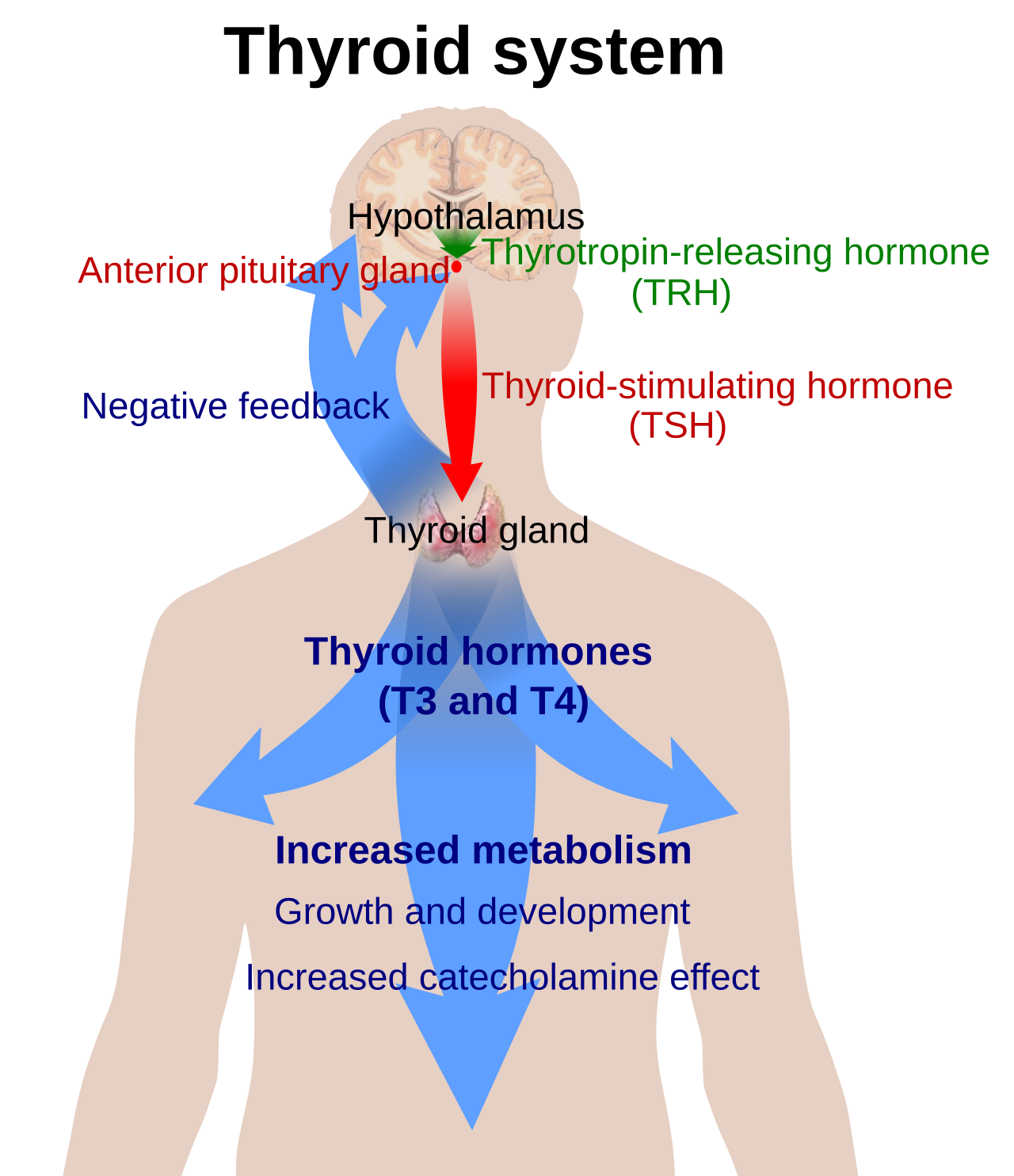
The three main thyroid antibodies target different components of thyroid tissue. Anti-thyroid peroxidase (TPO) antibodies target the enzyme responsible for producing thyroid hormones. Anti-thyroglobulin (TgAb) antibodies target the protein that stores thyroid hormones in the thyroid gland. TSH receptor antibodies (TRAb) target the receptor that controls thyroid hormone production. Each antibody tells a different story about what the immune system is doing to the thyroid.
TPO Antibodies: The Primary Marker for Hashimoto's Thyroiditis
TPO antibodies are the most clinically significant thyroid antibody. They are present in 90-95% of patients with Hashimoto's thyroiditis, the most common cause of hypothyroidism in iodine-sufficient regions. A TPO antibody level above 35 IU/mL is generally considered elevated, though reference ranges vary between laboratories.
The critical point is that elevated TPO antibodies do not mean you have hypothyroidism. Approximately 10-15% of people with elevated TPO antibodies maintain normal thyroid function indefinitely. The antibodies indicate autoimmune activity, but the thyroid may compensate for the immune attack for years or even decades before clinical hypothyroidism develops.
TgAb: The Underappreciated Thyroid Antibody
Thyroglobulin antibodies (TgAb) are less commonly discussed than TPO but have important clinical applications. They are elevated in approximately 60-80% of Hashimoto's patients and 20-30% of Graves' patients. In isolation, elevated TgAb with normal TPO and normal TSH usually does not require treatment.
TgAb's most important clinical role is in thyroid cancer monitoring. After thyroid cancer surgery, thyroglobulin (Tg) is used as a tumor marker. TgAb can interfere with thyroglobulin measurement, causing falsely low or falsely high results. Knowing your TgAb status is essential for accurate thyroid cancer surveillance.
TRAb: The Diagnostic Marker for Graves' Disease
TSH receptor antibodies (TRAb) are the definitive diagnostic marker for Graves' disease, an autoimmune condition that causes hyperthyroidism. TRAb can be stimulatory (causing the thyroid to overproduce hormones) or blocking (causing hypothyroidism). The most common form is the stimulatory type.
TRAb testing is particularly important during pregnancy. Stimulatory TRAb can cross the placenta and cause neonatal hyperthyroidism, which is a serious condition requiring monitoring and treatment. All pregnant women with a history of Graves' disease or elevated TRAb should be monitored throughout pregnancy.
What Elevated Antibodies Mean for Your Risk
The presence of thyroid antibodies indicates autoimmune thyroid disease in progress, but the progression rate varies significantly between individuals. Research shows that approximately 2-5% of people with elevated TPO antibodies develop clinical hypothyroidism per year. The rate is higher when TSH is already mildly elevated.
For people with elevated antibodies but normal TSH, the standard approach is monitoring rather than treatment. Your doctor will likely recheck TSH and free T4 every 6-12 months. Treatment with levothyroxine is typically started when TSH rises above 10 mIU/L or when symptoms significantly impact quality of life, even if TSH is below 10.
Hashimoto's and Pregnancy: What Every Woman Should Know
Thyroid antibodies are associated with increased pregnancy complications even when thyroid function is normal. Elevated TPO antibodies in pregnancy are linked to higher rates of miscarriage, preterm delivery, and postpartum thyroiditis. The mechanism is not fully understood but may involve immune system activation affecting the placenta.
Women with elevated TPO antibodies who are planning pregnancy should have TSH checked before conception and monitored closely during pregnancy. Some guidelines recommend starting levothyroxine in pregnant women with elevated TPO antibodies and TSH above 2.5 mIU/L, even if they are not overtly hypothyroid.
How to Interpret Your Thyroid Antibody Results
If your TPO is elevated but your TSH and free T4 are normal, you have subclinical autoimmune thyroiditis. This means your immune system is attacking your thyroid, but the thyroid is still functioning adequately. The standard approach is monitoring, not treatment, unless symptoms are present.
If your TPO is elevated and your TSH is elevated (above 4.5 mIU/L), you likely have or are developing Hashimoto's hypothyroidism. Treatment with levothyroxine is usually recommended. If your TRAb is elevated and your TSH is suppressed (below 0.4 mIU/L), you likely have Graves' disease and will need further evaluation and treatment.
Can You Lower Thyroid Antibodies?
There is no proven medical treatment to lower thyroid antibodies. The autoimmune process is driven by the immune system, and current treatments focus on replacing the thyroid hormone that the immune system destroys, not suppressing the immune attack itself.
Some research suggests that selenium supplementation (200 mcg daily) may modestly reduce TPO antibody levels, though the clinical significance of this reduction is debated. Vitamin D supplementation, gluten-free diets, and stress management have also been studied with mixed results. None of these approaches replaces monitoring and treatment when thyroid function declines.
Dr. Elena Rostova, MD, PhD
Dr. Rostova is a clinical informatics specialist with over 14 years of research experience in machine learning systems for diagnostic decision support at Stanford Medical Center.
Expert Takeaway
Elevated thyroid antibodies indicate autoimmune activity against the thyroid, but they do not automatically mean thyroid disease. The clinical significance depends on the specific antibody, the degree of elevation, and whether thyroid function (TSH, T3, T4) is normal or abnormal.
QFrequently Asked Questions
Q1What do elevated thyroid antibodies mean?
Elevated thyroid antibodies indicate autoimmune activity against the thyroid gland. They are associated with Hashimoto's thyroiditis (hypothyroidism) and Graves' disease (hyperthyroidism), but elevated antibodies do not automatically mean you have thyroid disease. Many people with elevated antibodies maintain normal thyroid function.
Q2Should I be worried about elevated TPO antibodies?
Elevated TPO antibodies warrant monitoring but not necessarily treatment. If your TSH and free T4 are normal, your doctor will likely recheck thyroid function every 6-12 months. Treatment is typically started when TSH rises above 10 mIU/L or when symptoms significantly affect quality of life.
Q3Can thyroid antibodies go down on their own?
In some cases, thyroid antibody levels can fluctuate or decrease over time, particularly during pregnancy (where a temporary decrease is common) or with treatment of underlying autoimmune triggers. However, the autoimmune process typically persists even when antibody levels decrease.
Q4Do elevated thyroid antibodies affect pregnancy?
Yes. Elevated TPO antibodies during pregnancy are associated with higher rates of miscarriage, preterm delivery, and postpartum thyroiditis. Women with elevated antibodies should have TSH monitored closely during pregnancy, and some may benefit from levothyroxine supplementation.
Q5What is the difference between TPO and TgAb?
TPO antibodies target thyroid peroxidase, the enzyme that produces thyroid hormones, and are the most sensitive marker for Hashimoto's disease. TgAb target thyroglobulin, the protein that stores thyroid hormones, and are less specific but important for thyroid cancer monitoring.
Q6Can I have normal TSH with elevated thyroid antibodies?
Yes, and this is called subclinical autoimmune thyroiditis. It means your immune system is attacking your thyroid, but the thyroid is still producing adequate hormones. Approximately 10-15% of people with elevated TPO antibodies maintain normal thyroid function indefinitely.
Verified References & Literature
Guidelines for the Management of Thyroid Disease in Pregnancy
American Thyroid Association, 2024
View SourceSelenium Supplementation and Thyroid Antibody Reduction: A Meta-Analysis
Journal of Clinical Endocrinology and Metabolism, 2024
View SourceGet a structured second read in seconds
Upload lab results, describe symptoms, or ask about a diagnosis — Premedice gives you medically-grounded answers backed by 30+ clinical databases.