Can't Afford a Doctor? 7 Ways to Get Medical Help Without Insurance
Summary & Key Takeaway
If you cannot afford a doctor visit, you are not alone � 27 million Americans are uninsured and 41 million more are underinsured. But 'I can't afford it' should not mean 'I can't get answers.' Free clinics, sliding-scale FQHCs, AI symptom checks, and cheap cash labs exist specifically for this situation. You can get a symptom assessment for $0, a blood work interpretation for $0, and a clinician visit for $20-$50 at a sliding-scale clinic. The hardest part is knowing these options exist, not using them. [Premedice](/) gives you the first step: understand your symptoms and labs for free before you decide whether to pay for a visit.
?? Core Insights
- 27 million Americans are uninsured, 41 million more are underinsured � you are not alone in this situation.
- Free options: AI symptom check ($0, Premedice), FQHC sliding-scale visits ($20-$80), county health departments ($0-$30), and 211 hotline for local resources.
- Cheap labs: Quest/Labcorp self-pay ($15-$99), not hospital labs ($80-$600). Always ask for 'patient cash price.'
- ERs must treat you regardless of ability to pay (EMTALA law) � use only for true emergencies, not routine care.
- Start with AI: understand your symptoms and labs for free, then decide whether a $20-$50 FQHC visit is needed.
The 7 Cheapest Ways to Get Medical Care Without Insurance
Option 1: AI symptom check ($0). Premedice gives you a ranked differential with urgency color in 60 seconds. Free, no card, no data stored. Option 2: FQHC sliding scale ($20-$80). Federally Qualified Health Centers serve 30 million patients on sliding scale by income. Find one at hrsa.gov. Option 3: County health department ($0-$30). STI testing, vaccines, basic screenings, and prenatal care are often free or near-free.
Option 4: Direct-to-consumer labs ($15-$99). Quest/Labcorp self-pay: CBC $19-$35, CMP $20-$42, lipid $19-$39, TSH $29-$45, A1c $23-$39. No doctor order needed in most states. Option 5: Community health centers ($0-$50). Search 'community health center near me' � they accept walk-ins on sliding scale. Option 6: Walmart/Costco pharmacy clinics ($20-$40). Basic checkups, vaccinations, and rapid tests. Option 7: Telehealth ($20-$75). Many platforms offer cash-pay telehealth for minor issues.
What to Do If You Need Care Today (Emergency vs Urgent vs Routine)
ER (EMTALA law � must treat you regardless of insurance): chest pain, difficulty breathing, severe bleeding, stroke symptoms, high fever with altered mental status, or suicidal thoughts. You cannot be turned away. The bill comes later, and many hospitals have charity care programs that write off 50-100% for low-income patients.
Urgent care ($100-$250): same-day for non-life-threatening issues � sprains, UTIs, ear infections, stitches, flu testing. Many have cash-pay options. Routine ($20-$80 sliding scale): FQHCs and community health centers for ongoing care, chronic disease management, and preventive services. Apply for Medicaid if your income qualifies � eligibility varies by state but covers 17 million adults.
How AI Saves You Money Before You Spend It
The biggest waste in healthcare is paying for the wrong thing. You pay $150 for a doctor visit just to learn that your headache is a tension headache and you need ibuprofen � information you could have gotten from a free AI check in 60 seconds. You pay $300 for an ER visit for a cold that AI correctly triaged as 'primary care this week.' AI does not replace the doctor � it saves you from paying for a doctor when you do not need one.
The workflow: use Premedice ($0) to check your symptoms and understand your labs. If the AI says 'self-care,' you saved $150-$300. If it says 'primary care within days,' go to a sliding-scale FQHC for $20-$50. If it says 'ER now,' go � EMTALA ensures you will be treated regardless of insurance. The AI is the triage layer that prevents the most expensive mistake: going to the wrong place for the wrong reason.
How to Find Free and Low-Cost Care in Your Area
Step 1: Call 211. The 211 hotline connects you to local resources � free clinics, sliding-scale providers, Medicaid enrollment, prescription assistance programs, and emergency financial aid. It is free and available 24/7 in most areas. Step 2: Search hrsa.gov for FQHCs near you. There are 1,400+ FQHCs with 14,000 service delivery sites nationwide. Step 3: Check if you qualify for Medicaid. Eligibility varies by state but covers adults up to 138% of the federal poverty level in expansion states.
Step 4: Use prescription assistance programs. NeedyMeds.org, RxAssist.org, and individual drug manufacturers' patient-assistance programs provide free or discounted medications. Step 5: Negotiate hospital bills. If you receive an ER bill you cannot pay, ask for the self-pay price, apply for charity care, and negotiate � most hospitals will reduce the bill by 40-60% for uninsured patients who ask.
Dr. Marcus Vance, MD
Dr. Vance is a board-certified internist focused on healthcare access and affordable care navigation.
Expert Takeaway
Do not skip care because of cost. Free AI checks, sliding-scale clinics, and cheap cash labs exist. Start with understanding, then decide what to pay for.
QFrequently Asked Questions
Q1Can I go to the ER without insurance?
Yes. The EMTALA law requires ERs to treat you regardless of insurance or ability to pay. You will get a bill, but many hospitals have charity care programs that write off 50-100% for low-income patients. Apply for financial assistance after.
Q2What is the cheapest way to see a doctor without insurance?
FQHC sliding-scale clinics ($20-$80 based on income). Find one at hrsa.gov. Walmart/Costco pharmacy clinics ($20-$40) for basic checkups. Telehealth ($20-$75) for minor issues.
Q3How much does blood work cost without insurance?
Quest/Labcorp self-pay: CBC $19-$35, CMP $20-$42, lipid $19-$39. Wellness bundles $89-$99. Hospital labs are 2-3x more expensive. Always ask for 'patient cash price.'
Q4Can I get free medicine without insurance?
Yes. NeedyMeds.org and RxAssist.org list manufacturer patient-assistance programs. Many drugs are free for income-qualifying patients. Ask your pharmacist about generics ($4-$10 at Walmart/Costco).
Q5Is Premedice free?
Yes. Premedice's free tier gives you symptom checks, lab uploads, and basic chat with no card required. It is zero-retention � your data is not stored or used for training.
Verified References & Literature
Get a structured second read in seconds
Upload lab results, describe symptoms, or ask about a diagnosis — Premedice gives you medically-grounded answers backed by 30+ clinical databases.
Related Reading
How Much Does Blood Work Cost Without Insurance? And How to Get Answers for Free
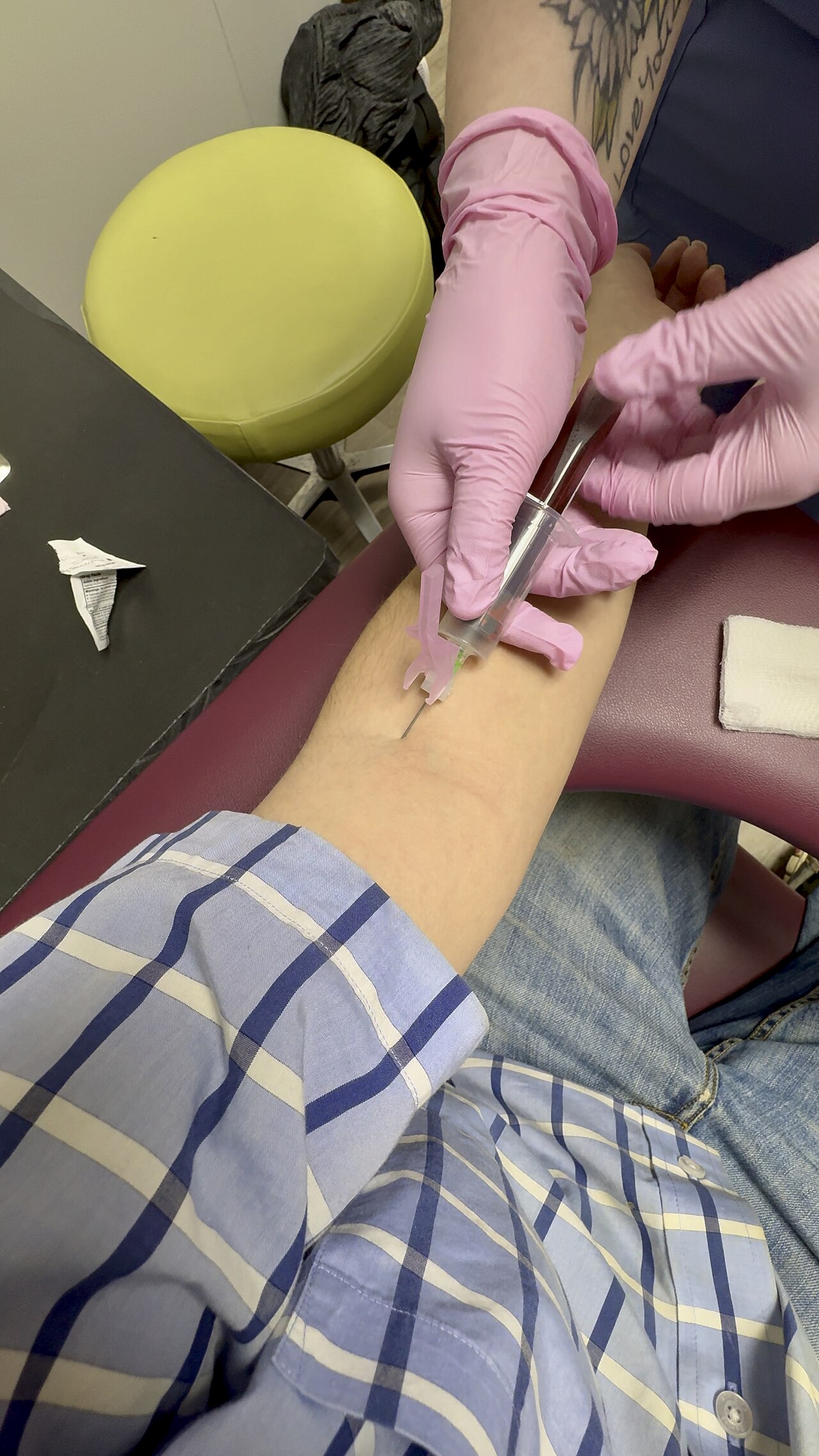
Blood Work Cost Without Insurance: 2026 Prices & How to Get Answers Free